Septic service in Post Falls
Pumping, inspections, repairs and new systems for Post Falls homes, from riverside lots to acreage on the prairie toward Rathdrum.
River, border and prairie
Post Falls has grown fast, and most of the new neighborhoods inside the city are built on city sewer. The septic homes are mostly at the edges: older houses along the Spokane River, rural lots on the prairie heading north toward Rathdrum, and the country around Hauser Lake and the Washington state line.
Here the river and the groundwater are tied together. Below the falls, the Spokane River leaks into the gravel under it and feeds the same aquifer that supplies wells on both sides of the border. What leaves a drain field near the river doesn’t stay local for long.
So when you call us, we start with where the property is: which side of the river, inside or outside city limits, and which side of the state line. Those three answers decide which rules apply before a technician ever lifts a lid.
What shapes septic work in Post Falls
Where your home sits says a lot about the job before we arrive.
The Spokane River
The river feeds the aquifer below the falls, so riverside systems get a careful look.
Two states, two rulebooks
Idaho homes answer to Panhandle Health District. Washington homes have their own health district.
Fast growth
New subdivisions are mostly sewered, while older homes and acreage still rely on tanks.
Post Falls septic guide
Local answers for homes along the river, out on the prairie and close to the state line.
City sewer or your own tank: how Post Falls splits
A lot of Post Falls is less than a few decades old. The subdivisions that filled in the open land around the old town were mostly planned with city sewer from the start, so if your home is in one of them, you probably don't have a tank at all.
The picture changes once you leave those neighborhoods. Older homes along the Spokane River, houses on the south bank of the river, the farm and hobby-ranch ground north of Prairie Avenue, and the lots around Hauser Lake are often on their own systems. A regional wastewater plan for the prairie aims to bring more of this area onto sewer over time, but for now plenty of households pump and maintain a tank.
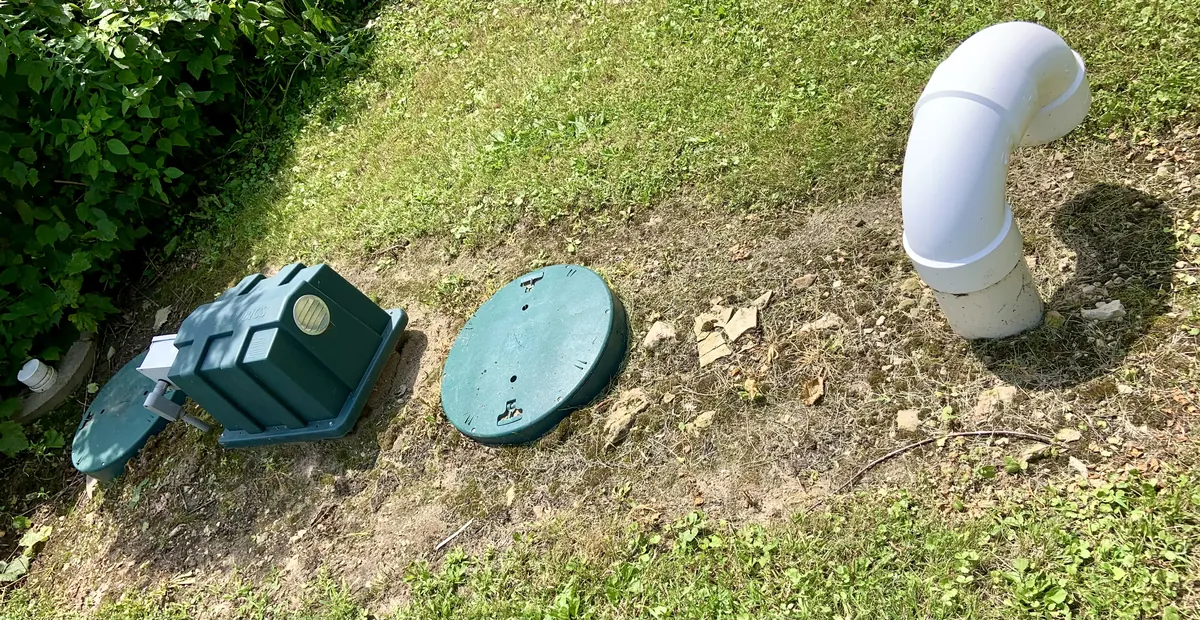
Not sure which you have? Look for a sewer line on your utility bill, then check the yard for a round or square lid or a pipe sticking up from the lawn. If you still can't tell, give us the address and we'll help you find out.
Living near the Washington line
Post Falls sits a few miles from the state line, and plenty of people here work, shop or own land on both sides. Septic rules don't cross the border with them.
- On the Idaho side, Panhandle Health District issues permits and reviews new and replacement systems under Idaho rules.
- On the Washington side, Spokane Regional Health District is in charge. Washington requires owners to hold an operational permit for their system and renew it on a set schedule, and pumpers working there must be approved for Spokane County.
If you're buying near the line, check the county on the deed before assuming anything, because a short drive can mean a different health district, different paperwork and a different inspection routine. This page covers homes on the Idaho side. If your property is in Washington, contact Spokane Regional Health District about what your system needs.
The river that refills the aquifer
Most people picture an aquifer as something under the ground that stays put. Around Post Falls it moves. Below the dam, the Spokane River loses water into the coarse gravel beneath it, and federal studies show that river water soaking down along the stretch toward Spokane is one of the ways the aquifer is recharged.
That water then flows west underground and is pumped up by wells on both sides of the state line. A drain field near the river or out on the prairie is sitting on the same path. That is why Kootenai County limits septic homes over the aquifer to one per five acres, and why a system that is failing here is treated as more than a nuisance.
Subdivision lots vs prairie acreage
Septic jobs around Post Falls tend to fall into two very different groups.
Smaller lots outside the sewer lines, often on land just off the aquifer, put the tank close to the house, a fence and a neighbor's yard. Space for a replacement drain field can be tight, and access for the hose usually runs through a side gate. In 2020, a proposed subdivision south of the river with half-acre lots on septic drew strong objections from neighbors with private wells, a sign of how closely people here watch new systems.
Five-acre parcels and larger on the open prairie have the opposite problem. There is room for a drain field, but the tank may be a long walk from where the truck can park, and shops, barns and ADUs often get added years after the first permit. Tell us roughly how far the tank is from the driveway and what has been built since the house went in, and we can plan the visit around it.
Which side of the line is your lot on?
The aquifer has an edge, and near Post Falls the boundary on the map was drawn in the late 1970s roughly along the river shore. Land inside it falls under the five-acre rule for septic. Land outside it can be divided more tightly, which is why some newer septic lots south of the river are much smaller than those on the prairie.
For a homeowner, the line matters most when something changes: splitting a parcel, adding a dwelling, or replacing a system. Panhandle Health District decides what is allowed, based on where the lot sits and what the site evaluation finds. If you are planning any of these, check with the district early. We can pump and inspect the existing system so you know what you are working with before you apply.
When the house grows faster than the tank
Growth in Post Falls isn't only new streets. It's also existing homes taking on more people: grown kids moving back, parents moving in, a basement turned into a bedroom. A septic system is sized by bedrooms, and one built for a couple can struggle once five or six people are using it.
- Pump more often than the old schedule if more people now live in the house.
- Watch for slow drains, gurgling or wet spots over the drain field after laundry day.
- Talk to Panhandle Health District before finishing a new bedroom or adding a guest unit.
- Book a septic inspection if you aren't sure the system can carry the extra load.
Catching it early usually means a pump-out and a few habit changes. Waiting can mean a failed drain field and a drain field repair.
Permits for Post Falls properties
On the Idaho side, septic work around Post Falls is permitted by Panhandle Health District, through its Kootenai County office at 8500 N. Atlas Road in Hayden. Expect a permit for:
- a first system on a newly split or newly built lot
- a replacement tank, drain field or other major component
- changes that add load, such as another bedroom or a guest unit
The district looks at the lot first, and may dig test holes to see the soil and how far down the water sits. A routine pump-out, a new riser or a cracked lid can go ahead without one. Across the line in Washington, Spokane Regional Health District sets the rules instead.
What we see most around Post Falls
- Riverside homes from before the subdivisions arrived, with tanks nobody has opened in years
- Acreage on the prairie where the tank sits far from the driveway and the hose run is long
- Families growing into a house faster than the original system was sized for
- Fast-draining gravel that hides a problem until it reaches a neighbor's well
Septic services in Post Falls
From a routine pump-out to a new system on bare land. We confirm the price with you on the call back, before any work starts.
Septic tank pumping
Pump-out of sludge and scum, lids found and uncovered, baffles checked, next pump-out date noted.
Septic inspection
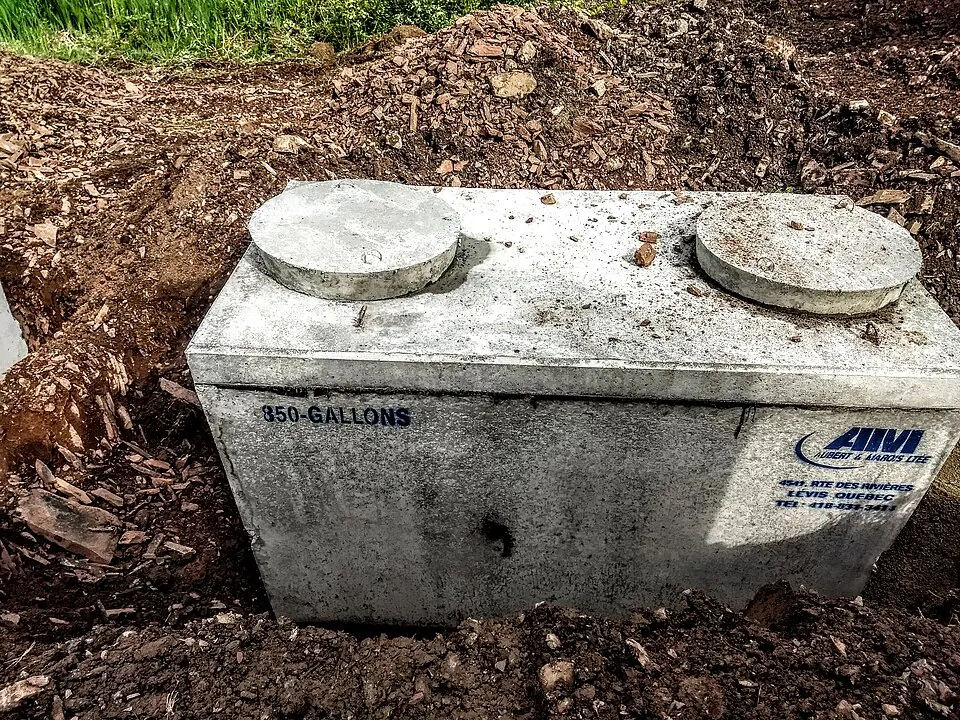
A full check of the tank, baffles, drain field and records, with a written report for a home sale or your own peace of mind.
Septic repair
Broken baffles, cracked pipes, failed effluent pumps and alarms, crushed lines, and missing or damaged risers and lids.
Drain field repair and replacement
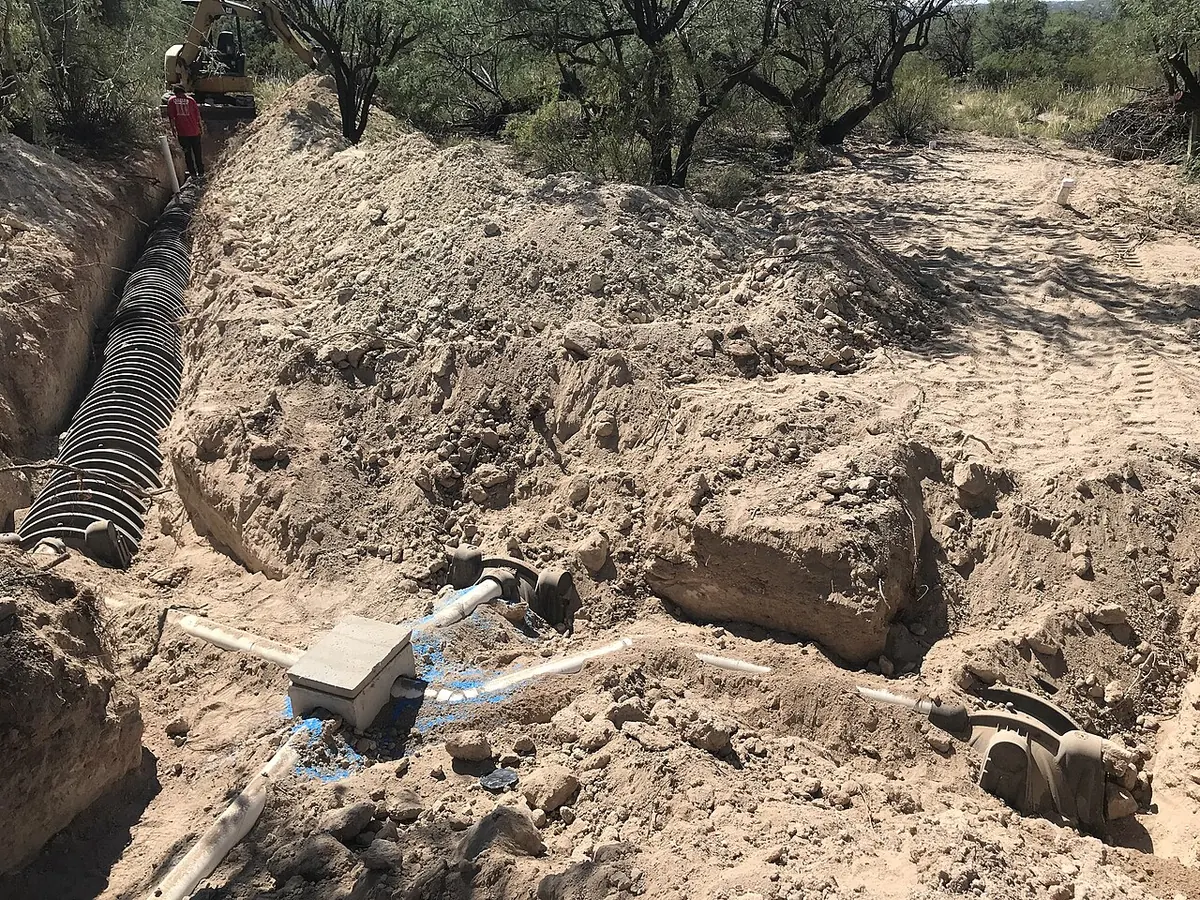
Soggy ground, surfacing water or a system that backs up after pumping. We find out why before recommending a fix.
New septic installation
Site evaluation, health district permit, design and install for new homes, shops, ADUs and full replacements.
Nearby areas we serve
Booking takes about a minute
Tell us what's going on
Use the form or call. A few details about your property and the problem are all we need.
We call you back with a plan
We'll confirm the job, give you a price range and set a time that suits you.
A technician fixes it
A local technician arrives, explains what they found, and gets your system working again.
Post Falls septic questions
Can’t find yours? Call and ask. There’s no charge for a question.
Is my Post Falls house on septic or city sewer?
Check your utility bill for a sewer charge. Most newer subdivisions inside the city are on sewer, while older riverfront homes, rural lots and homes outside city limits are more often on septic. If it's unclear, call us with the address.
I live just across the line in Washington. Do the same rules apply?
No. Washington homes fall under Spokane Regional Health District, which has its own permits and operational permit renewals. This page covers the Idaho side, where Panhandle Health District is in charge.
Can I split my acreage north of Post Falls and put a second home on septic?
Over the Rathdrum Prairie Aquifer, Kootenai County allows one home on septic per five acres, so it depends on parcel size and location. Ask Panhandle Health District before you plan the split.
Does living near the Spokane River change anything for my system?
It can. Water near the river moves into the aquifer, and new or replacement systems close to the water get closer review from Panhandle Health District, including setbacks and soil checks.
Our family has grown. Is our septic tank still big enough?
Maybe not. Systems are sized by bedrooms. If more people live in the house than it was built for, pump more often and have the system checked before you add a bedroom.
How do I find my tank on an acreage property?
Start with any permit drawing Panhandle Health District has on file for the parcel. If there isn't one, follow the main sewer pipe out from the house. Our technicians can locate it on the visit.
Book septic service in Post Falls
Send the details and we’ll call you back to confirm a price and a time. Prefer to talk? Call (208) 555-0100.
- Free to ask, no obligation
- A price before any work starts
- Backups and alarms handled first
Request a call back
Takes about a minute.
By submitting, you agree that Reliable Septic Systems and its local service partners may contact you by phone, text or email about your request. Message and data rates may apply; message frequency varies. Reply STOP to opt out. See our Privacy Policy and Terms.