Septic service in Nampa
Pumping, inspections, repairs and new systems for Nampa homes, from older farmhouses to new acreage on the edge of town.
A big city with a lot of septic at its edges
Nampa is one of the biggest cities in Idaho, and inside its sewer service area most homes drain to the city plant. The picture changes fast at the edges. Head out toward Lake Lowell, Happy Valley Road or the farm ground between Nampa and Kuna, and nearly every house has its own tank, its own drain field and its own well.
Those two worlds sit right next to each other. A new city subdivision on small lots can back onto a county parcel of several acres that has been on septic for decades. As fields turn into neighborhoods, more and more households are a short walk from sewer but still rely on a system in the backyard.
We work both sides of that line. Tell us your address and whether you pay a city sewer charge, and we’ll tell you what to expect before a truck is booked.
Three things that shape septic work around Nampa
Growth, water and farming all leave a mark on the systems here.
Farms becoming neighborhoods
Old farmhouse systems now sit beside new subdivisions, and new parcels need systems of their own.
Irrigation season
Canal water raises shallow groundwater in summer, and tired drain fields show it first.
Nitrate in wells
Rural homes drink from the same shallow groundwater their septic systems drain into.
Your guide to septic in and around Nampa
For homeowners on the rural side of Nampa: where septic is, how irrigation and growth affect it, and what to check before you buy.
Sewer inside town, septic past the edge
Whether you are on septic in Nampa mostly comes down to which side of the city boundary you live on. City subdivisions are built on small lots tied into municipal sewer and water. Canyon County subdivisions just a mile away are platted on parcels big enough to hold a well and a septic system on the same piece of ground, and that is how most of the countryside around Nampa is served.
You'll find septic on the acreage south toward Lake Lowell, along roads like Happy Valley and Amity, on the farm ground stretching toward Kuna and Melba, and on older properties that the city has grown around but never connected.
If you aren't sure which you have, look at your utility bill first. No sewer line item usually means a septic system, and we can help you find it.
When the fields became subdivisions
Nampa has grown quickly, and a lot of that growth has landed on former farmland. Fields that grew beets, corn or seed crops a few years ago now carry rows of houses, and the old farmhouse at the corner of the section is often still there, still on its original tank.
That change creates a few septic situations we run into regularly:
- A split-off farmhouse keeps its old system while the land around it is sold. The tank and drain field may sit close to the new property line, or partly under it.
- A one-acre or five-acre parcel carved out for a new home needs a brand-new system, a site evaluation and a permit before the house can be finished.
- Heavy equipment from nearby construction can crush pipes or compact a drain field that was never marked.
If construction is happening next to your property, find and flag your tank and drain field before the crews arrive.
Irrigation water and your drain field
Canyon County farms and lawns run on canal water, and the canals fill every spring. Studies by the Idaho Department of Water Resources show that shallow groundwater in this part of the valley tends to rise through the irrigation season as water seeps from canals, ditches and watered fields.
A drain field works by letting wastewater soak down through dry, unsaturated soil, which filters it. When the water table comes up underneath, there is less of that dry soil to work with. A system that behaves all winter can start to gurgle, drain slowly or leave wet spots in July and August.
A few habits help:
- Keep sprinklers and flood irrigation off the drain field area.
- Don't route ditch overflow or roof downspouts toward the system.
- Spread out laundry and long showers during the hottest, wettest months.
If your system only acts up in summer, mention it when you call. That pattern tells the technician a lot.
Nitrate in Canyon County groundwater
Most rural homes around Nampa drink from private wells, and the same shallow groundwater that supplies those wells receives what drains out of septic systems, fertilized fields and livestock pens. State agencies have tracked rising nitrate in parts of Canyon County for years, and the Ada and Canyon area is on Idaho's list of nitrate priority areas.
For homeowners, that has two practical effects. First, larger developments in a priority area may need a nutrient-pathogen study before Southwest District Health signs off on septic systems for them. Second, it is worth testing your well water for nitrate, especially if a baby or a pregnant person lives in the house.
A septic system that is pumped on time and has a working drain field is one of the few nitrate sources you control directly. Keep the well and the system well apart when anything new is built, and if you're worried about either, call us and the district.
Wells and septic on the same parcel
On most acreage around Nampa, the well and the septic system share a single lot, so the location of one limits the other. Southwest District Health checks the required separation between them whenever a new system or replacement is permitted.
This matters most when you want to add something: a second home for family, a shop with a bathroom, or a new well. Each one can affect where a drain field is allowed to go. Water is getting tighter in this area too. In 2026 the Idaho Department of Water Resources paused new groundwater rights across part of southern Canyon County for five years, so protecting the well you already have is worth the effort.
Before you plan a project, have us locate and check your tank and drain field so you know how much room you have. See septic inspections.
Buying acreage near Nampa
Rural listings around Nampa often advertise "well and septic" in a single line. Before you close, find out more:
- Request the district file. Southwest District Health takes public records requests and may have the permit and drawing for the system.
- Match the bedrooms. A home that grew from three bedrooms to five may still have a three-bedroom system.
- Inspect it with the tank open. Book the inspection during your contingency period and pump it at the same visit so the inside of the tank can be seen.
- Ask about summer. Sellers who mention slow drains only in irrigation season are describing a drain field near its limit. See drain field repair.
Septic permits in Canyon County
Septic permits for Nampa and the rest of Canyon County come from Southwest District Health, whose main office is at 13307 Miami Lane in Caldwell. A permit is needed for:
- any brand-new system, including one for a new house on a split-off farm parcel
- a replacement tank or a new drain field
- enlarging a system, for example when a home gains bedrooms or a shop gets a bathroom
District staff visit the property and evaluate the soil before a permit is written. Applications go through the district’s online Environmental Health Portal. Pumping, lid and riser work, and baffle or filter cleaning don’t need a permit.
What we see most around Nampa
- Drain fields struggling in summer, when irrigation lifts the shallow water table
- Farmhouse systems that were never sized for today's household
- Lawn sprinklers and flood irrigation soaking the ground over the drain field
- New fences, shops and driveways built over tanks nobody marked
Septic services in Nampa
Every service, for every home in the area. We confirm the price with you on the call back, before any work starts.
Septic tank pumping
Pump-out of sludge and scum, lids found and uncovered, baffles checked, next pump-out date noted.
Septic inspection
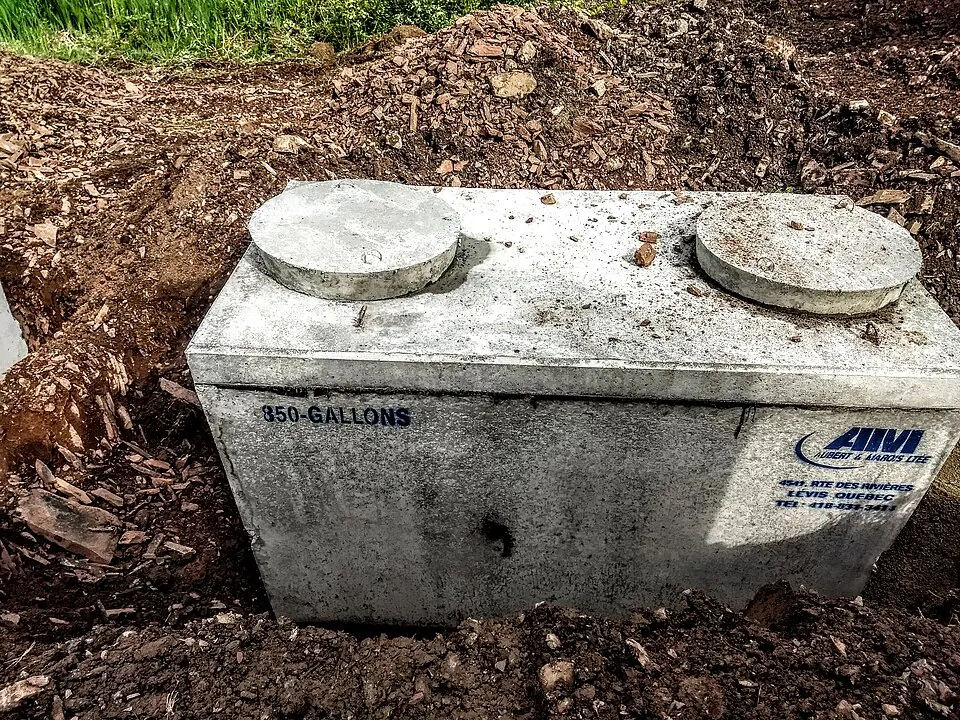
A full check of the tank, baffles, drain field and records, with a written report for a home sale or your own peace of mind.
Septic repair
Broken baffles, cracked pipes, failed effluent pumps and alarms, crushed lines, and missing or damaged risers and lids.
Drain field repair and replacement
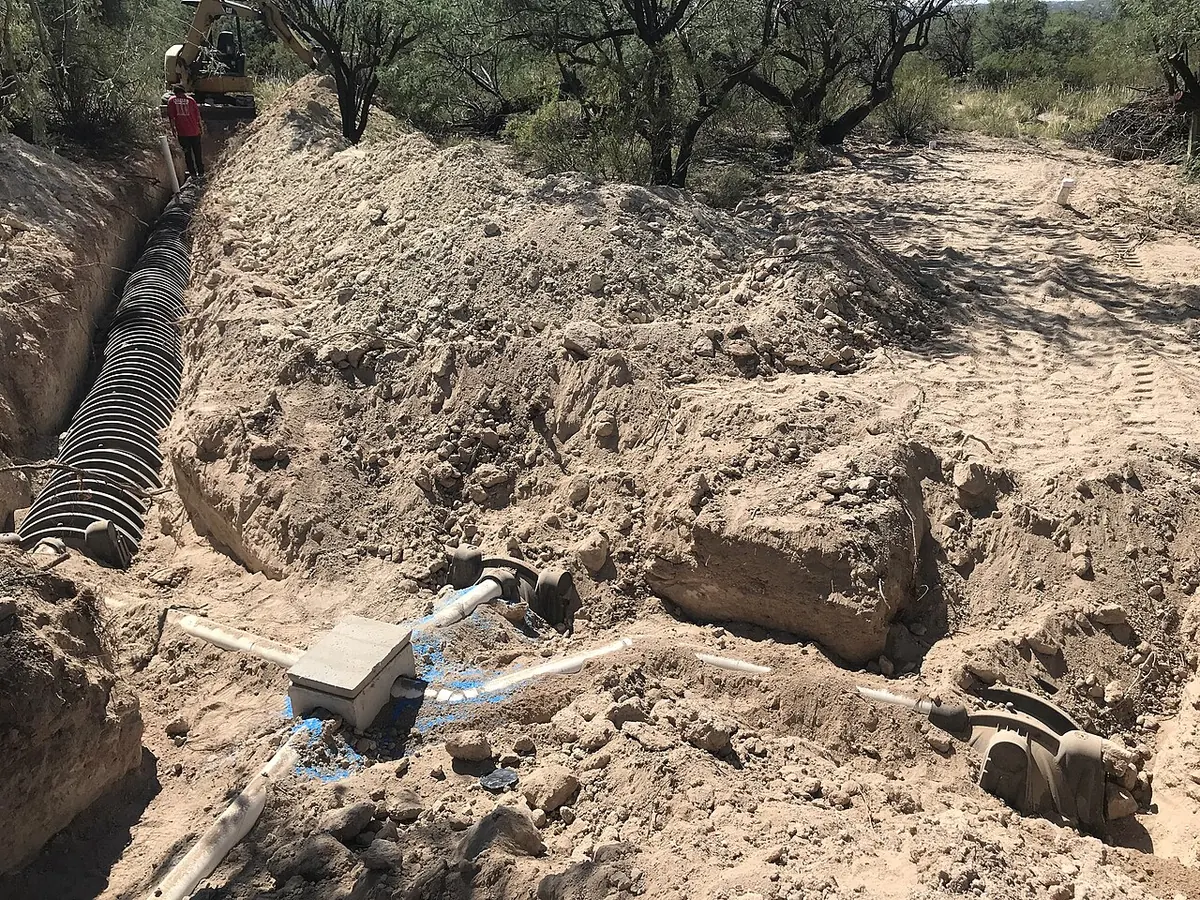
Soggy ground, surfacing water or a system that backs up after pumping. We find out why before recommending a fix.
New septic installation
Site evaluation, health district permit, design and install for new homes, shops, ADUs and full replacements.
Nearby areas we serve
Booking takes about a minute
Tell us what's going on
Use the form or call. A few details about your property and the problem are all we need.
We call you back with a plan
We'll confirm the job, give you a price range and set a time that suits you.
A technician fixes it
A local technician arrives, explains what they found, and gets your system working again.
Nampa septic questions
Can’t find yours? Call and ask. There’s no charge for a question.
Is my Nampa house on sewer or septic?
Inside the city, most homes are on sewer and you'll see a sewer charge on your utility bill. Without that charge, and especially on acreage outside the city, you're almost certainly on septic. Southwest District Health may have a permit on file for your address.
Who issues septic permits for Nampa?
Southwest District Health, the public health district for Canyon County and five neighboring counties. Its main office is on Miami Lane in Caldwell, and applications go through its online Environmental Health Portal.
Why does my drain field act up in summer but not in winter?
Irrigation raises the shallow groundwater around Nampa through the summer, leaving less dry soil under the drain field. If the problem is seasonal, the field is often near its limit. A pump-out and an inspection will tell you how close.
Does nitrate in the groundwater affect my septic system?
Not directly, but septic systems are one of the sources of it. Keeping your system pumped and working protects your own well. Larger developments in nitrate priority areas can also need extra review before septic is approved.
I'm splitting off a parcel from my farm. Does the new home need its own system?
Usually, yes. A new home on a new parcel needs its own septic permit from Southwest District Health, which starts with a site evaluation. Call us early so the system is planned before the house is.
How often should a Nampa family pump the tank?
For most full-time households, every 3 to 5 years. Larger families and homes with a garbage disposal are at the shorter end. If you can't remember the last time, it's probably due.
Book septic service in Nampa
Send the details and we’ll call you back to confirm a price and a time. Prefer to talk? Call (208) 555-0100.
- Free to ask, no obligation
- A price before any work starts
- Backups and alarms handled first
Request a call back
Takes about a minute.
By submitting, you agree that Reliable Septic Systems and its local service partners may contact you by phone, text or email about your request. Message and data rates may apply; message frequency varies. Reply STOP to opt out. See our Privacy Policy and Terms.