Septic service in Eagle
Pumping, inspections, repairs and new systems for Eagle homes on septic, from riverside properties to estate lots and foothill ranches.
Bigger properties, bigger septic demands
Eagle has a different feel from the rest of the valley. Downtown and the newer neighborhoods are on Eagle Sewer District lines, but a lot of the city’s character comes from bigger properties: estate lots, horse acreage, river-bottom homes and houses tucked into the foothills to the north.
Many of those properties run on their own septic systems, and they are rarely simple ones. Large homes with several bathrooms, guest houses and pools put real demands on a system, and the land itself ranges from river gravels with water close to the surface to dry, sloping foothill ground.
We tailor every visit to the property. Tell us about the house, the lot and anything unusual, and we’ll come ready for it.
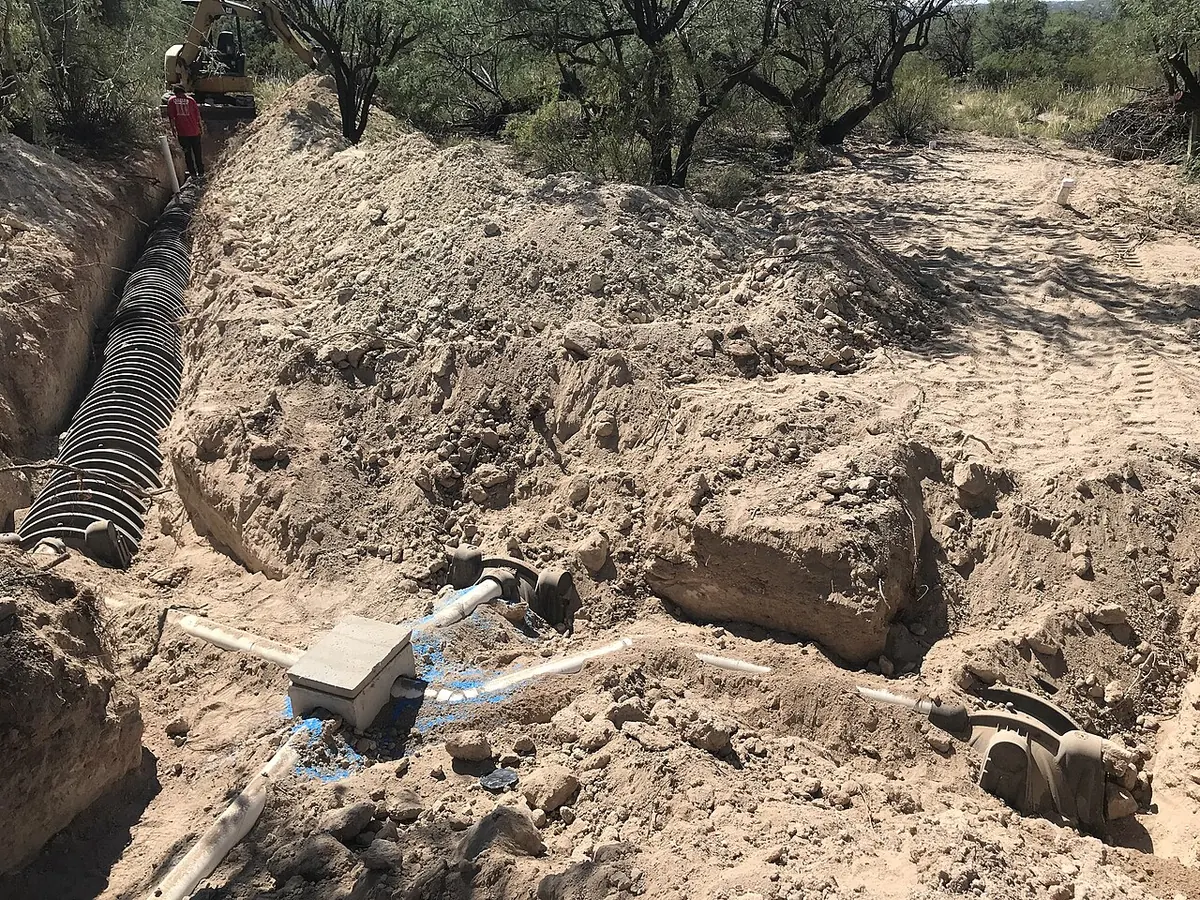
What makes Eagle septic work different
Land and lifestyle both shape these systems.
Estates and acreage
Large homes, guest houses and pools add load that older systems weren't designed for.
River groundwater
Near the Boise River, the water table can rise close to the drain field in high-water years.
Foothill slopes
Hillside lots bring pumps, alarms, variable soils and long, steep driveways.
A local guide to septic in Eagle
For owners of river, estate and foothill properties, from groundwater checks to pump alarms.
Estate lots and large homes
A five-bedroom home with a guest casita, a pool house and an irrigated lawn uses far more water than a typical starter house, and septic systems are designed around that load. On Eagle's larger properties we often find a system that was right for the original house but has quietly fallen behind as the property grew.
Common signs include a tank that fills faster than expected, a drain field that stays damp after big gatherings, and backups that happen only when every guest room is full. Water softeners discharging into the tank, high-flow fixtures and large soaking tubs all add to it.
Some estate properties also have more than one tank, a pump chamber or an alarm panel that nobody in the household has looked at in years. We map what's there, pump each tank, check the pump and floats and give you a simple record so the next service is quicker. If the system needs to grow with the house, that conversation starts with a Central District Health permit for the expansion.
Living near the Boise River
The Boise River splits around Eagle Island as it passes the city, and homes along that stretch enjoy cottonwoods, wildlife and water views. They also sit on river gravels where groundwater can be close to the surface.
The river reminds people of its power now and then. In 2009 a levee break near Eagle Island flooded nearby homes, high water in 2017 closed Eagle Island State Park, and in 2023 residents of one Eagle neighborhood watched their ponds rise along with the river. When groundwater comes up like that, a drain field can lose the dry soil it needs underneath to treat wastewater.
For river-area owners, that means a few habits matter more than usual:
- Pump before the spring runoff rather than in the middle of it.
- Go easy on laundry and long showers when the river is high.
- If drains slow down every spring and recover in fall, have the field evaluated. It's often groundwater, not a full tank.
Groundwater rules and site evaluations
Central District Health doesn't only ask whether soil drains. It also checks how much separation a drain field will keep above the water table in a normal year. Along the river and in low spots that collect irrigation water, that separation is often the deciding factor in how a replacement system is designed.
Federal studies of northern Ada County describe shallow, unconfined groundwater whose depth can change a great deal during the irrigation season. So a test hole dug in a dry month may not tell the whole story, and CDH may want monitoring before it approves a design.
If you're planning a replacement or a new build near the river, start early. Ask us to locate and assess the existing system, then contact CDH about evaluation timing. A raised or pressurized drain field is sometimes the answer where the water table is high.
Foothills homes north of town
North of Eagle the land climbs into the Boise foothills, and newer homes and ranch properties sit on slopes, benches and ridgelines. The views are spectacular. The septic challenges are the opposite of the river bottom.
- Slope: drain fields have to follow the contour, and wastewater can surface downhill if a trench is overloaded.
- Thin or variable soil: foothill soils change quickly over short distances, which makes a careful site evaluation essential.
- Pumps and alarms: many hillside homes rely on a pump to move effluent uphill or to a pressurized field. A failed float or tripped breaker can look like a full tank.
- Access: long, steep or gated driveways need planning for a pump truck, especially in wet or icy weather.
Tell us about the driveway and any alarm panel when you book. It helps us bring the right hose length and parts the first time.
Buying an Eagle estate or acreage
On a high-value property, the septic system deserves the same attention as the roof, the well and the irrigation rights.
- Pull the permit history. Central District Health's online septic search goes back to 1971, and a records request can fill gaps.
- Match the permit to the house. Compare the permitted bedroom count with what the listing advertises, including guest quarters.
- Inspect with a pump-out, including any pump chamber and alarm. See septic inspections.
- Ask about sewer. Some properties near town may be close to an Eagle Sewer District line. The district can tell you what applies.
If you're planning a pool, barn or arena, have the drain field located first so it isn't paved over or driven across during construction.
Keeping a big property's system healthy
Most of what keeps an Eagle septic system working long term is routine:
- Pump every 3 to 5 years, sooner for large households or homes with frequent guests.
- Route roof drains, pool backwash and sprinkler overspray away from the drain field.
- Keep horses, livestock and vehicles off the field. Compacted soil stops absorbing.
- Plant grass over the field, not trees. Willows and cottonwoods near the river are notorious for root intrusion.
- Check that alarms work and that you know what they mean.
If a problem does appear, small fixes such as a cracked baffle or a failed pump float are far cheaper than a new field. See septic repair.
Permits and rules in Ada County
Septic systems in Eagle are permitted by Central District Health, the health district for Ada County. Their Environmental Health team in Boise handles applications for:
- new systems for custom homes, guest houses and shops with plumbing
- expanding a system when bedrooms are added
- repairing a drain field or replacing a tank
Near the river, CDH looks closely at how high groundwater rises. In a drought year, they may ask for groundwater monitoring to be repeated later, which can push back a start date. Pumping and inspections need no permit.
Septic trouble we see in Eagle
- High water near the Boise River pushing up under drain fields in spring and early summer
- Big homes, older systems where a remodel added bathrooms the tank never planned for
- Steep foothill driveways that make it hard to reach a tank with a pump truck
- Landscaping and hardscape built over lids, lines or the edge of the field
Septic services in Eagle
Every service, for every home in the area. We confirm the price with you on the call back, before any work starts.
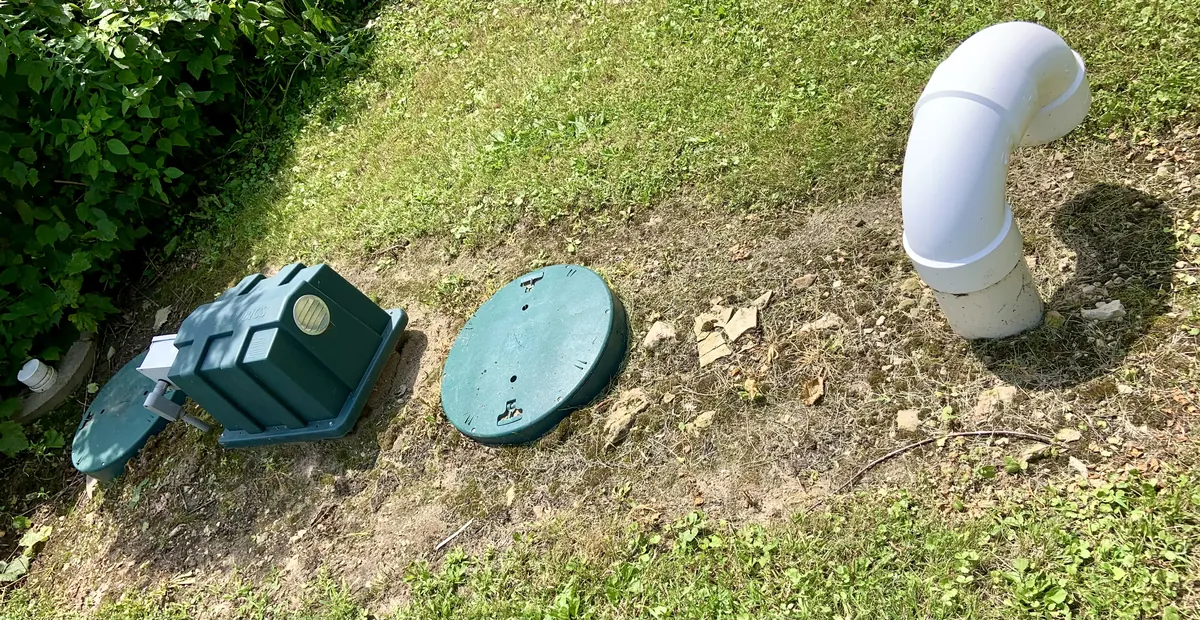
Septic tank pumping
Pump-out of sludge and scum, lids found and uncovered, baffles checked, next pump-out date noted.
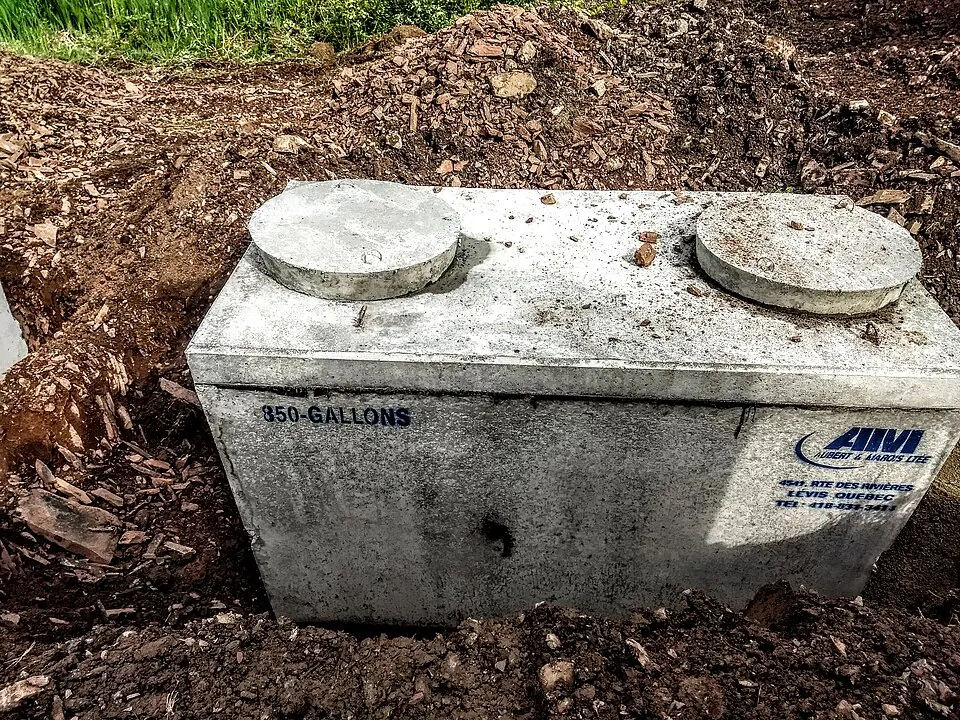
Septic inspection
A full check of the tank, baffles, drain field and records, with a written report for a home sale or your own peace of mind.
Septic repair
Broken baffles, cracked pipes, failed effluent pumps and alarms, crushed lines, and missing or damaged risers and lids.
Drain field repair and replacement
Soggy ground, surfacing water or a system that backs up after pumping. We find out why before recommending a fix.
New septic installation
Site evaluation, health district permit, design and install for new homes, shops, ADUs and full replacements.
Nearby areas we serve
Booking takes about a minute
Tell us what's going on
Use the form or call. A few details about your property and the problem are all we need.
We call you back with a plan
We'll confirm the job, give you a price range and set a time that suits you.
A technician fixes it
A local technician arrives, explains what they found, and gets your system working again.
Eagle septic questions
Can’t find yours? Call and ask. There’s no charge for a question.
Is my Eagle home on septic or sewer?
Homes inside the Eagle Sewer District boundary are generally on sewer and pay the district for it. Larger lots, foothill homes and rural properties outside it are mostly on septic. CDH's online septic search can confirm whether a permit exists.
Does living near the Boise River affect my septic system?
Yes. Groundwater can rise when the river runs high, which reduces the dry soil under a drain field. Central District Health checks water-table separation closely when permitting systems near the river.
Why does my foothills septic system have an alarm?
Many hillside systems use a pump to send effluent to the drain field. The alarm warns when the water level in the pump chamber is too high, often from a failed pump, float or tripped breaker. Call before the tank overflows.
Who permits septic systems in Eagle, Idaho?
Central District Health permits all septic systems in Ada County, including Eagle. Applications are handled by the Environmental Health team in Boise.
Can I add a guest house to my Eagle property on septic?
Possibly. Septic systems are sized by bedrooms, so a guest house usually means CDH reviews the existing system and may require an expansion. Plan that before construction starts.
How often should a large Eagle home pump its septic tank?
Every 3 to 5 years is typical, but large households, frequent guests or multiple tanks can mean a shorter interval. Your first pump-out gives us a baseline to set a schedule.
Book septic service in Eagle
Send the details and we’ll call you back to confirm a price and a time. Prefer to talk? Call (208) 555-0100.
- Free to ask, no obligation
- A price before any work starts
- Backups and alarms handled first
Request a call back
Takes about a minute.
By submitting, you agree that Reliable Septic Systems and its local service partners may contact you by phone, text or email about your request. Message and data rates may apply; message frequency varies. Reply STOP to opt out. See our Privacy Policy and Terms.