Septic service in Twin Falls
Pumping, inspections, repairs and new systems across the Magic Valley, from canyon rim lots to farmhouses near Kimberly, Filer and Buhl.
Thin soil, hard rock and a lot of irrigation water
Twin Falls sits on the south rim of the Snake River Canyon, with the Perrine Bridge just north of town and a grid of irrigated fields running south and west as far as you can see. City neighborhoods are mostly on sewer. Out among the farms, and in and around Kimberly, Filer and Buhl, homes and shops more often depend on a septic tank and drain field.
The ground here is the thing to understand. Much of the Magic Valley is a layer of wind-blown soil over basalt, and in spots the rock is only a few feet down. A drain field needs enough soil to clean wastewater before it reaches the cracks in that rock, so depth to basalt drives a lot of design decisions.
We ask about your location, the age of the system and anything you know about the soil before we come out. If a repair turns into a replacement, that groundwork helps when South Central Public Health District reviews the site.
How the Magic Valley changes septic work
Rock, water and farm ground explain most of what we see on Twin Falls County jobs.
Basalt underfoot
Lava rock a few feet down limits drain field depth and can bring extra treatment rules.
Canal and sprinkler water
Irrigated fields keep soil wet and can lift groundwater during the growing season.
Canyon rim lots
Thin soil and setbacks from the edge leave little room for a drain field.
A Magic Valley septic guide
From basalt and canal water to speculative site evaluations, what Twin Falls County homeowners and buyers should know.
Rural Twin Falls County and the small towns
Twin Falls County began as an irrigation tract, and the towns that grew from it, Kimberly to the east, Filer and Buhl to the west, plus Hansen and Murtaugh, still sit in the middle of working farm ground. Between them are thousands of homes on a few acres, dairy and crop operations, and newer houses built on parcels split from family farms.
Almost all of those rural places rely on septic. The systems range from tanks installed when a farmhouse got indoor plumbing to modern designs with pumps and pressure distribution. When you book, a rough address and the age of the home tell us which kind we're likely to find.
Basalt, thin soil and extra treatment
The Snake River Plain is built from lava flows, and around Twin Falls the basalt often lies just under a shallow cover of fine soil. Fractured rock lets water travel fast, so wastewater that reaches it hasn't been filtered much at all.
That is why shallow soil over basalt draws extra attention. On sites where the rock or groundwater is close, the health district can require a nutrient-pathogen evaluation, which estimates how much nitrate and bacteria a system would add to the groundwater, or call for extended treatment, a unit that cleans the effluent further before it goes to the drain field.
For a homeowner, the practical result is that a replacement on thin soil may not look like the system it replaces. It may need a pump, a mound or a treatment unit. Knowing the depth to rock early, usually from test holes, keeps the surprises to a minimum.
Living next to irrigated fields
The Twin Falls Canal Company delivers Snake River water, diverted at Milner Dam, to roughly 200,000 acres of farmland on the south side of the river. Those canals and laterals run past a lot of rural homes, and that water affects septic systems in ways people don't expect.
- Wet soil all season. Flood or sprinkler irrigation on or next to a drain field keeps the soil saturated, so it can't absorb effluent.
- Rising groundwater in summer. On some parcels the water table climbs during irrigation season and drops again in fall.
- Nitrate in wells. Groundwater across the Magic Valley carries elevated nitrate, mainly from fertilizer and animal waste. A healthy septic system keeps your home from adding to it.
Keep sprinklers and ditch water off the drain field, and tell us if your system only acts up between spring and harvest.
Homes on the Snake River Canyon rim
The canyon is the county line with Jerome County, and rim lots east and west of the Perrine Bridge come with views and with constraints. Soil tends to be thinnest near the edge, and setbacks keep drain fields back from the slope.
Space is the other issue. Between the house, the well, the property lines and the rim, there may be just one spot for a drain field and nowhere for a backup. That makes regular pumping more valuable here than almost anywhere else, because a drain field you protect is one you won't have to find room to replace.
If you're planning to build on the rim, start with the health district rather than the floor plan. See new septic installation for how we approach new systems on tight lots.
Test holes before you buy or build
Buying land in Twin Falls County without knowing whether it can take a septic system is a real gamble. South Central Public Health District offers a speculative site evaluation for exactly this situation. Here's how it works:
- You apply and dig test holes where the drain field would go.
- You let the Environmental Health Specialist know when the holes are ready to look at.
- The specialist checks the soil and, if groundwater shows up, may ask for monitoring before deciding.
- The result tells you whether the soil looks suitable. It isn't a permit, though its data can be used later when you apply for one.
The application stays open for two years, which gives buyers time to close and plan before the actual permit.
Checking an older system's history
Plenty of farmhouses around Twin Falls have had several owners and a remodel or two since the tank went in. Before you rely on the system, find out what's there.
- Request the records. South Central Public Health District has a septic records request page on its website, and permits filed with the district usually include a drawing.
- Look for a second tank. Old farmsteads sometimes have an abandoned tank or cesspool in addition to the one in use. Any tank taken out of service should be properly abandoned.
- Compare bedrooms to the permit. A finished basement can push a house past what its system was sized for.
- Schedule an inspection with a pump-out. See septic inspections.
South Central Public Health District rules
Twin Falls County septic permits are handled by South Central Public Health District at its Twin Falls office, 1020 Washington St. N (208-737-5900). The district suggests sitting down with an Environmental Health Specialist before you apply. A permit covers:
- any new system for a home, shop or additional dwelling
- a replacement tank or drain field
- an enlargement when the house or its use grows
The application calls for test holes deep enough to show the soil near the proposed drain field and its replacement area. Pumping a tank or replacing a damaged riser or lid doesn’t require a permit.
Septic trouble we run into around Twin Falls
- Rock close to the surface, leaving little room for a replacement drain field
- Irrigation water running onto or soaking the ground beside a drain field all summer
- Old farmstead tanks with no records, sometimes more than one on the same parcel
- Shops and second homes added to acreage without upsizing the system
Septic services in Twin Falls
Everything from a routine pump-out to a full replacement, for homes across Twin Falls County. We settle the price with you on the call back, before work starts.
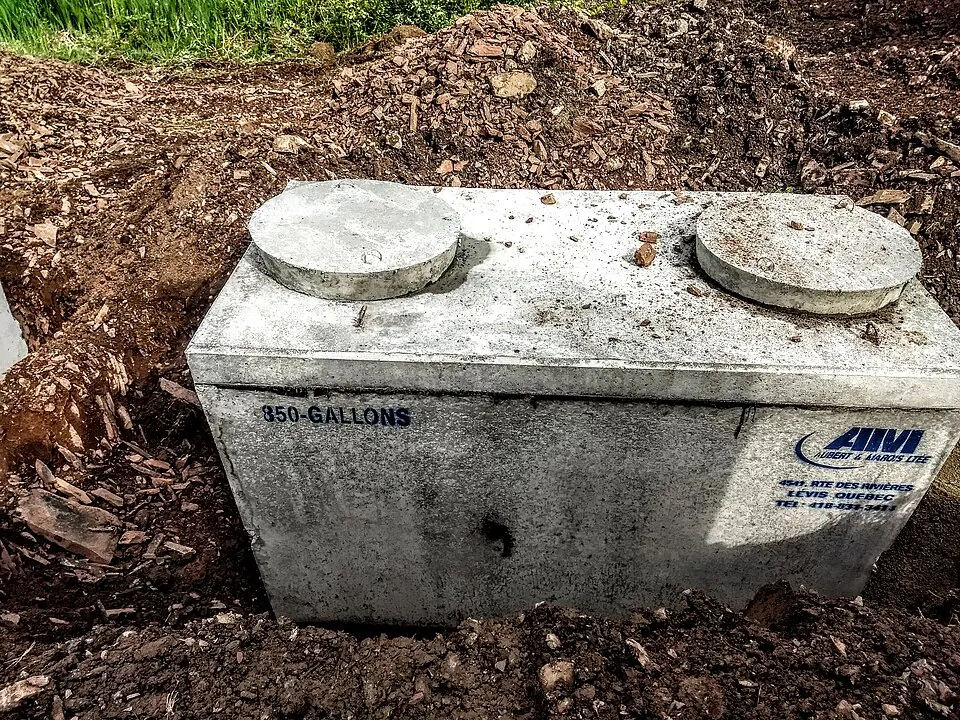
Septic tank pumping
Pump-out of sludge and scum, lids found and uncovered, baffles checked, next pump-out date noted.
Septic inspection
A full check of the tank, baffles, drain field and records, with a written report for a home sale or your own peace of mind.
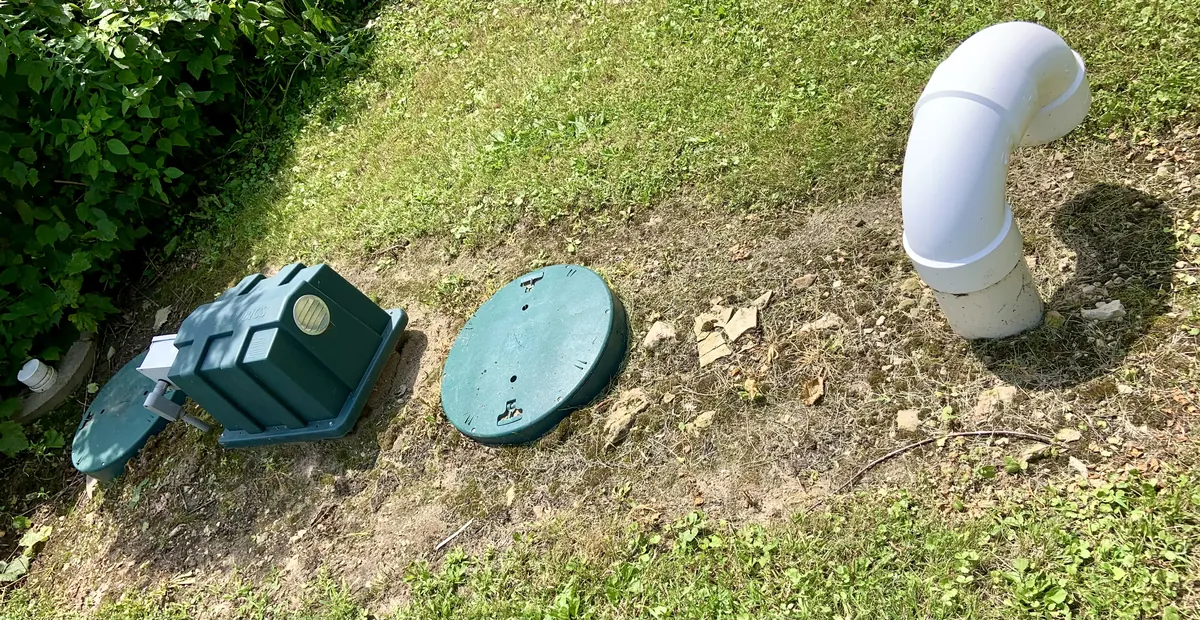
Septic repair
Broken baffles, cracked pipes, failed effluent pumps and alarms, crushed lines, and missing or damaged risers and lids.
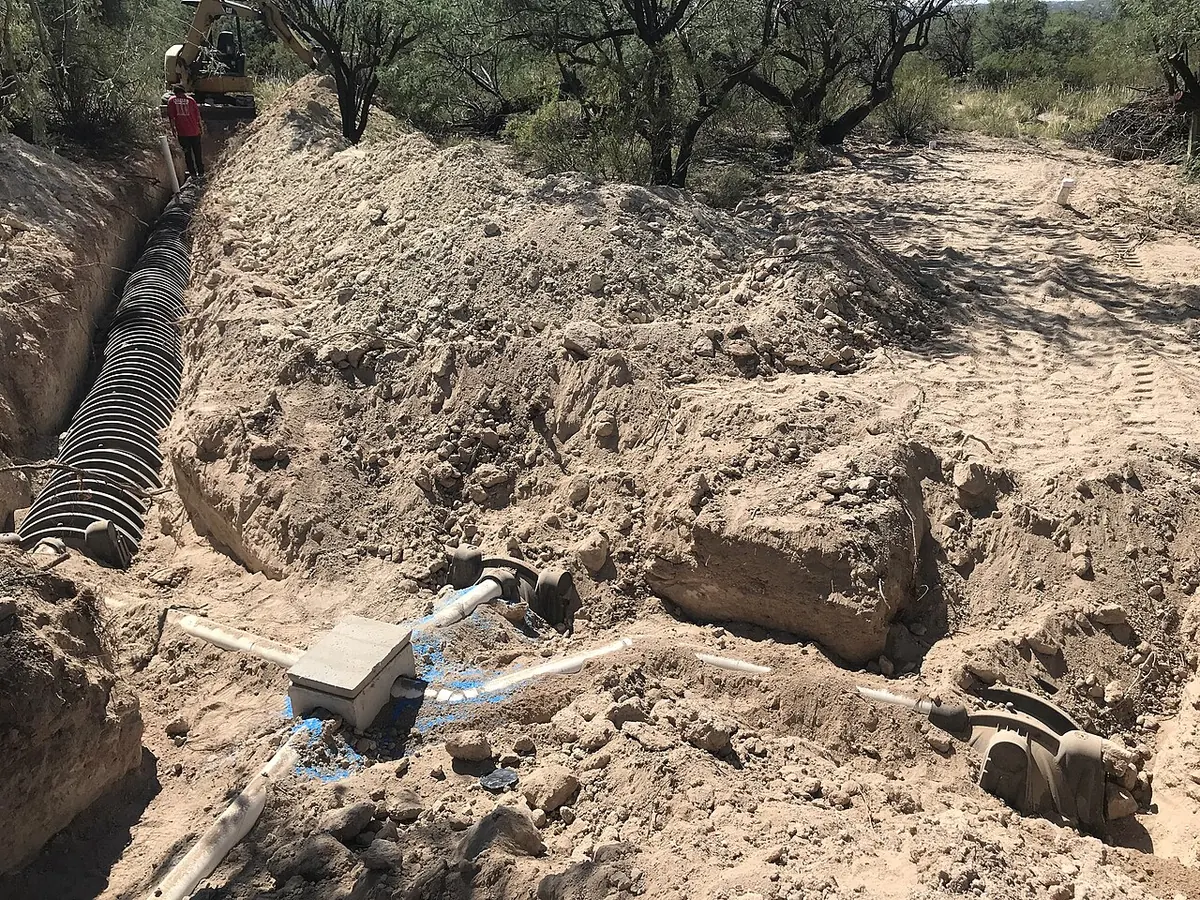
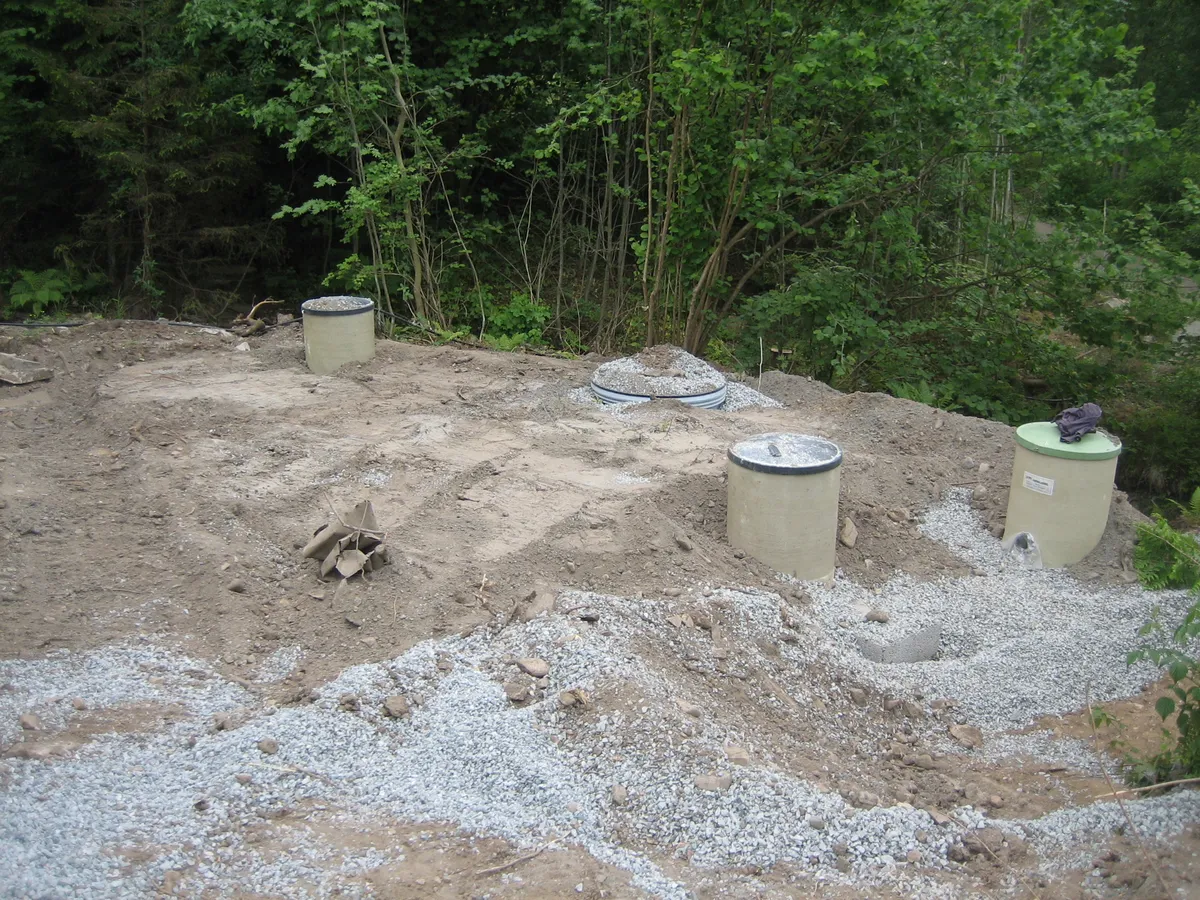
Drain field repair and replacement
Soggy ground, surfacing water or a system that backs up after pumping. We find out why before recommending a fix.
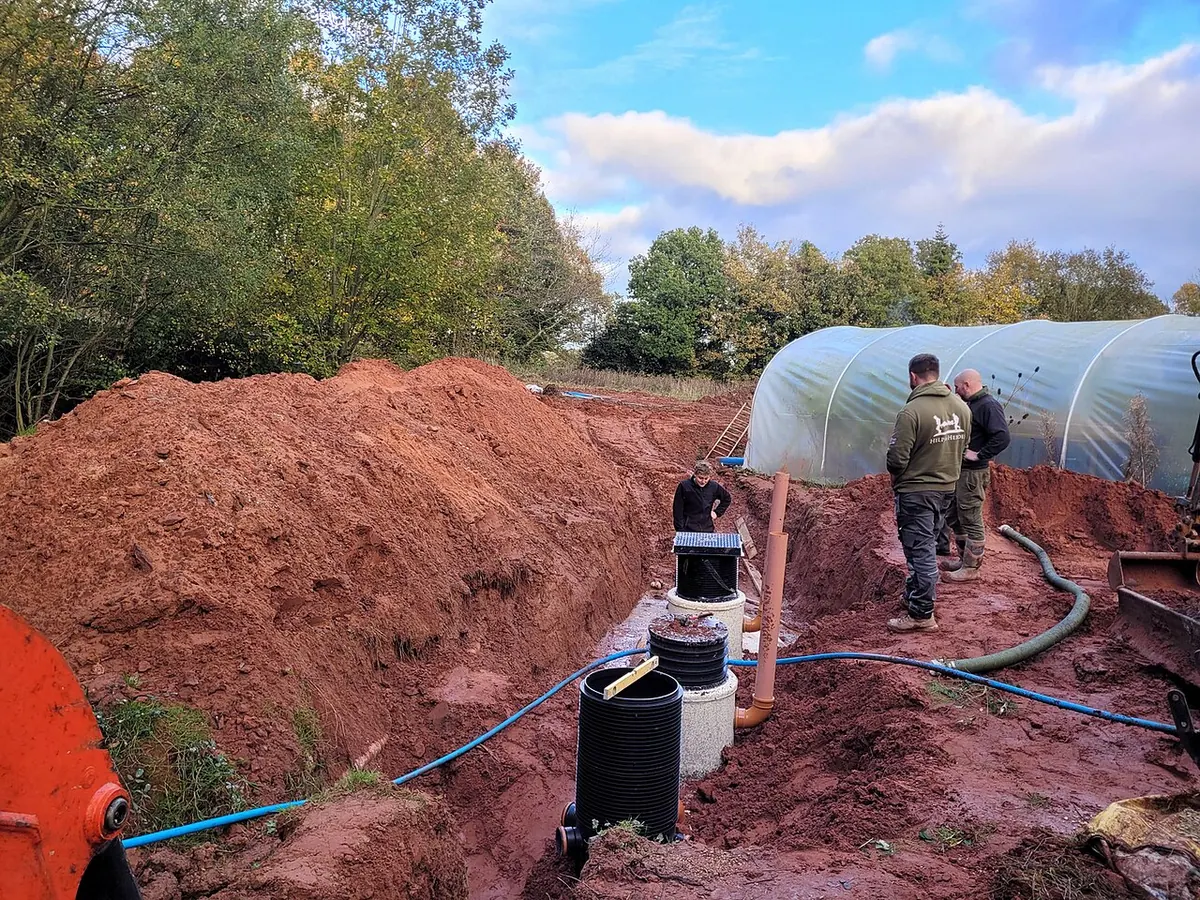
New septic installation
Site evaluation, health district permit, design and install for new homes, shops, ADUs and full replacements.
Nearby areas we serve
Booking takes about a minute
Tell us what's going on
Use the form or call. A few details about your property and the problem are all we need.
We call you back with a plan
We'll confirm the job, give you a price range and set a time that suits you.
A technician fixes it
A local technician arrives, explains what they found, and gets your system working again.
Twin Falls septic questions
Have a different question? Call us. Asking costs nothing.
Should I talk to the health district before applying for a septic permit in Twin Falls?
Yes. South Central Public Health District recommends meeting with an Environmental Health Specialist at its Twin Falls office before you apply, especially on rocky or rim lots where the design may be complicated.
What is a speculative site evaluation?
It's a soil check on land you're thinking of buying or building on, using test holes. It tells you whether the site looks suitable for septic but isn't a permit. The application lasts two years.
Why would my new system need extra treatment?
Where soil is shallow over basalt or groundwater is close, the district can require a nutrient-pathogen evaluation or extended treatment to protect the aquifer. It depends on what the test holes show.
How do I get septic records for a Twin Falls County property?
Use the septic records request page on the South Central Public Health District website. Permitted systems usually have a drawing on file. Very old farm systems may have nothing recorded.
Can irrigation water damage my drain field?
It can overload it. Sprinklers or ditch water on the drain field keep the soil too wet to absorb effluent. Redirect the water, and if problems persist, have the field checked.
How often should I pump a septic tank near Twin Falls?
Most full-time households should pump every three to five years. On rim lots or thin soil, where the drain field is hard to replace, it's worth staying on the short end of that range.
Book septic service in Twin Falls
Send the details and we’ll call you back to confirm a price and a time. Prefer to talk? Call (208) 555-0100.
- Free to ask, no obligation
- A price before any work starts
- Backups and alarms handled first
Request a call back
Takes about a minute.
By submitting, you agree that Reliable Septic Systems and its local service partners may contact you by phone, text or email about your request. Message and data rates may apply; message frequency varies. Reply STOP to opt out. See our Privacy Policy and Terms.