Septic service in Idaho Falls
Pumping, inspections, repairs and new systems for homes along the Snake River, from older farmhouses to new acreage near Ammon, Iona and Ucon.
Farm country, a big river and a shallow water table
Idaho Falls grew up along the upper Snake River, and the farm country around it still spreads out in every direction. Most houses inside the city are on municipal sewer. Drive a few minutes past the edge of town, toward the fields east of Ammon, the subdivisions around Iona or the open ground near Ucon, and nearly every home treats its own wastewater in a tank and drain field.
Under all of it lies the Eastern Snake River Plain aquifer, the groundwater that private wells and many towns across southern Idaho depend on. In places the water table rises close to the surface for part of the year, and that one fact decides a lot about how a septic system here is designed, where it can go and how it holds up.
When you call, we ask which side of town you’re on, how old the house is and whether the yard ever stays wet in spring. Those answers tell our technician what to bring and what Eastern Idaho Public Health is likely to ask for if work turns out to be needed.
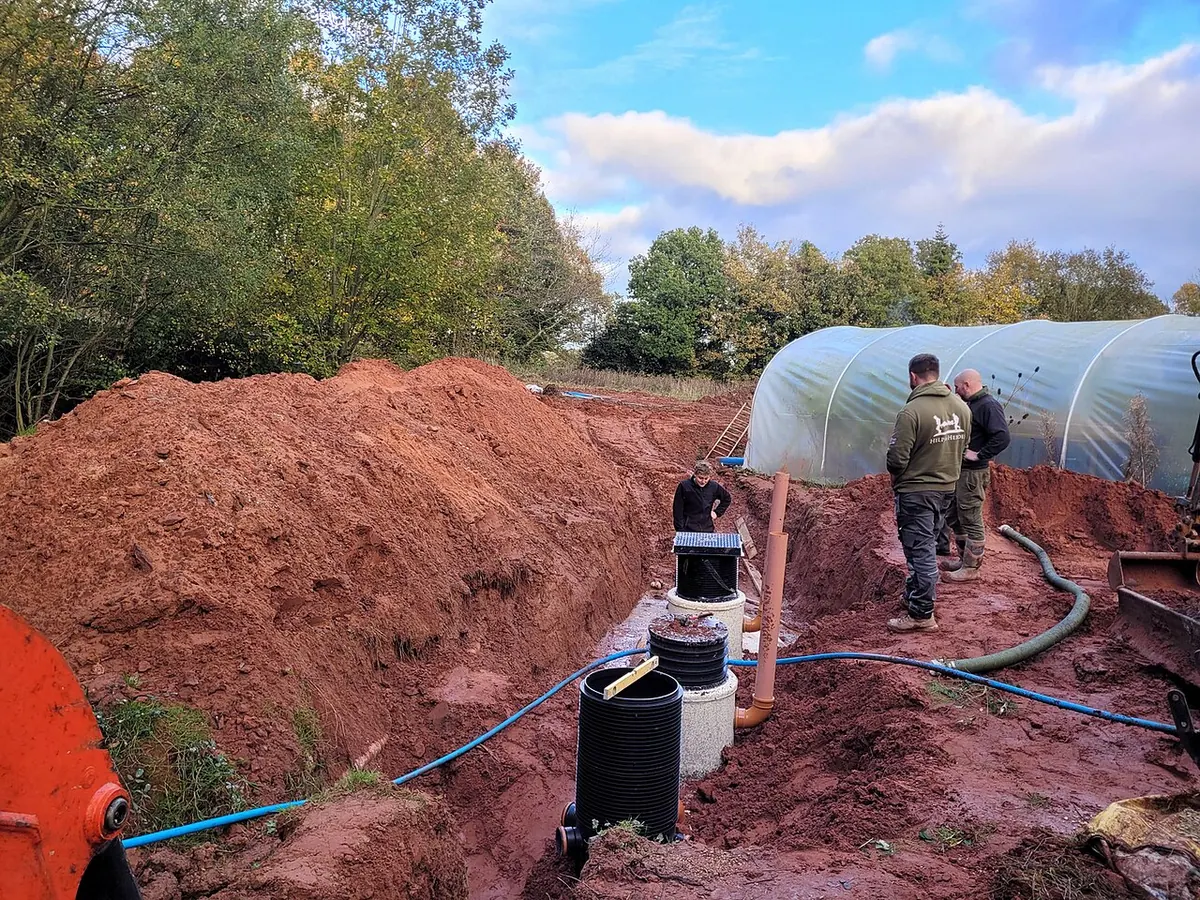
Three local conditions behind most Idaho Falls jobs
Groundwater, cold and a growing ring of rural lots set the tone for septic work here.
Water close to the surface
Seasonal high groundwater near the river and irrigated fields limits how deep a drain field can go.
Hard freezes
Long, cold winters push frost deep enough to freeze shallow pipes and lightly used systems.
Acreage on the edges
Ammon, Iona and Ucon keep adding homes on lots too far out for city sewer.
Septic in and around Idaho Falls
Groundwater, the aquifer, eastern Idaho cold and the Bonneville County permit process, explained for homeowners.
Sewer in town, septic in the county
Idaho Falls is the county seat and by far the largest city in Bonneville County, and its core is connected to city sewer. The septic work starts where the sewer lines stop. Ammon, directly east, mixes neighborhoods on city sewer with acreage that still relies on septic. Farther out, the country around Iona and Ucon to the northeast is a patchwork of farm ground, horse property and subdivisions where each lot carries its own system.
The homes vary as much as the lots. One day it's a 1950s farmhouse with a steel tank nobody has opened in years, the next it's a five-bedroom build on a couple of acres with a newer concrete tank and risers already in place. Telling us the address and roughly when the house was built is the fastest way to make sure the first visit is the only one you need.
High groundwater and why it shapes design
Septic systems rely on dry, unsaturated soil under the drain field. As wastewater trickles down through that soil, bacteria and filtration clean it before it reaches the water table. When groundwater sits close to the surface, that cleaning zone gets thin.
Parts of the Idaho Falls area see exactly that. Low ground near the Snake River, and fields soaked by flood or canal irrigation through the summer, can have a seasonal high water table well above where it sits in fall. Eastern Idaho Public Health asks about the level and duration of normal and seasonal high groundwater when land is divided for septic lots, and its staff look at the same thing on individual sites.
What that means at your house: a replacement drain field may need to be shallower, larger or built up rather than dug down, and the timing of a site check can matter. If your yard turns spongy every April and dries out by August, tell us. It often explains a system that only struggles in spring.
The aquifer under the Snake River Plain
The Eastern Snake River Plain aquifer is a vast body of groundwater. It runs beneath the broad plain from the Idaho Falls area southwest toward the Magic Valley, held in layer after layer of fractured volcanic rock and sediment. Private wells, farms and cities across southern Idaho draw from it.
Water moves through those fractured layers readily, and studies of the aquifer have found that nitrate, once it gets in, can linger for decades because the groundwater carries plenty of oxygen. Fertilizer and animal waste are the larger regional sources, but household wastewater adds to the load too, especially where systems are failing or crowded together.
Many rural homes around Idaho Falls pull drinking water from a well on the same lot as the septic system. Keeping the tank pumped and the drain field healthy protects the water your own family drinks, not just the neighbors'.
Deep frost and long eastern Idaho winters
Winters here are colder and longer than in the Treasure Valley, and the ground can freeze well below the surface during a hard January. Septic systems produce a little heat of their own, but a few things leave them exposed:
- Shallow pipe between the house and the tank, especially where it crosses a plowed driveway that loses its snow cover.
- Low use. A house that sits empty for weeks, or a single person on a system sized for a big family, sends too little warm water through to keep lines open.
- Compacted snow from parking or sledding on the drain field, which drives frost deeper.
- Dripping fixtures, which let a thin trickle freeze inside the pipe a bit at a time.
If a line does freeze, don't pour antifreeze down the drain or build a fire over it. Call us and we'll find where it's blocked. Plan any pump-out for the fall, before the lids are buried and the ground locks up.
Getting through the permit and inspection
For a replacement or a new system, the order of operations matters in Bonneville County:
- Apply with EIPH first. Staff review the site, the soils and the depth to groundwater before a permit is issued.
- Install to the permit. Tank size, drain field length and setbacks from wells and property lines follow what was approved.
- Leave it open for inspection. EIPH inspects the tank and drain field before backfill. Covering it early can mean digging it back up.
- Keep the paperwork. The final permit and drawing are what a future buyer, or a future technician, will ask to see.
If you're not sure whether your project needs a permit, ask us when you call. For routine pumping it doesn't, and for repairs we'll tell you what we find before anything changes. See septic repair for the kinds of fixes we handle.
Buying acreage outside Idaho Falls
Small acreage around Idaho Falls is popular, and the septic system is one of the costliest surprises a buyer can inherit. Before you close:
- Request the file. Eastern Idaho Public Health takes public records requests for septic permits, so you can see what was approved and when.
- Match the bedrooms. If the house has been finished out beyond what the permit allows, the system may be undersized.
- Walk the drain field in spring if you can. Wet spots or lush green stripes in an otherwise dry pasture are worth asking about.
- Locate the well and check how far it is from the tank and trenches.
- Get it inspected with the tank pumped so the inside can be seen. See septic inspections.
Bonneville County permits and inspections
In Bonneville County, septic permits come from Eastern Idaho Public Health (EIPH). The county office is at 1250 Hollipark Drive in Idaho Falls, and the environmental health staff for Bonneville can be reached at 208-533-3172. A permit is needed for:
- a brand-new system for a house, shop or second dwelling
- a replacement tank or a new drain field
- enlarging a system, such as when bedrooms are added
A permit stays valid for two years and can be renewed. One rule catches people off guard: EIPH has to inspect the tank and drain field before anything is backfilled. If a trench gets covered early, it may have to be dug back open. Ordinary pumping and swapping a cracked lid or riser need no permit at all.
What we see most often near Idaho Falls
- Spring groundwater creeping up under drain fields on low ground near the river
- Frozen lines where the pipe from the house runs shallow or under a bare driveway
- Farmhouse systems from decades ago that nobody has a drawing for
- New subdivisions on acreage lots where the tank lids were buried at landscaping time
Septic services in Idaho Falls
Pumping, inspections, repairs, drain fields and new systems across the Idaho Falls area. Your price is confirmed on the call back, before any work begins.
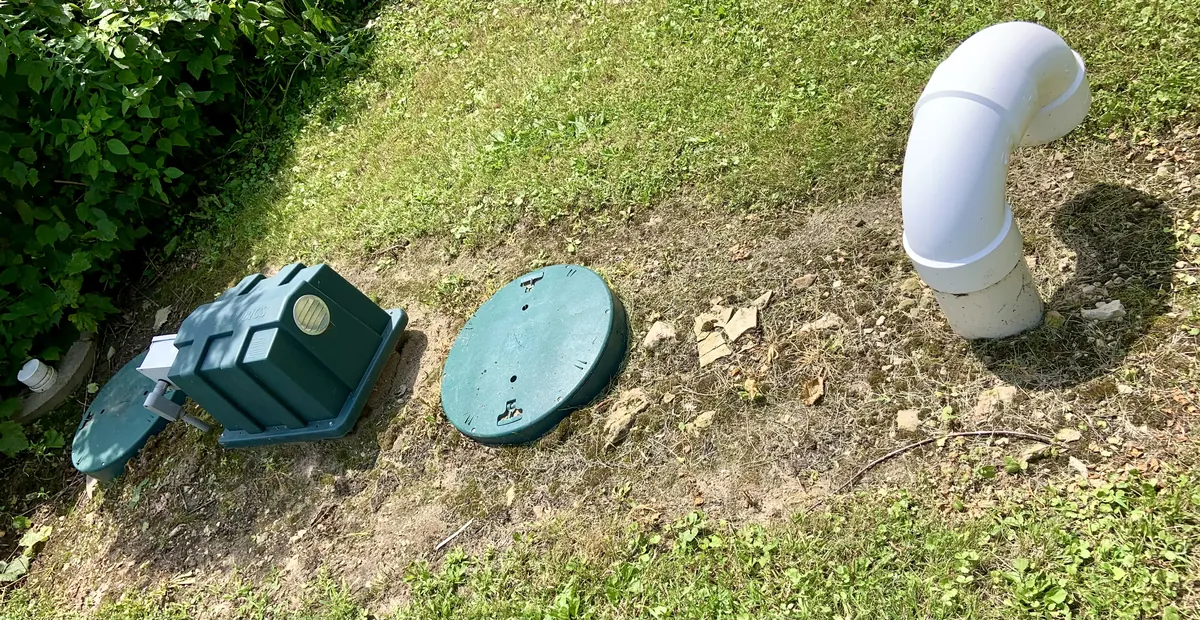
Septic tank pumping
Pump-out of sludge and scum, lids found and uncovered, baffles checked, next pump-out date noted.
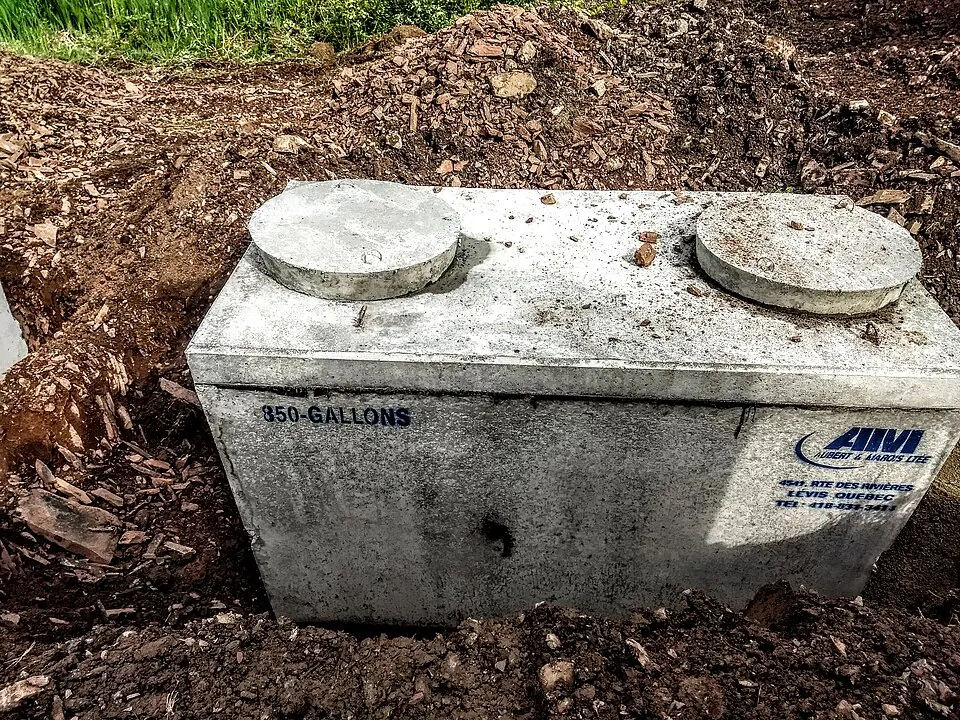
Septic inspection
A full check of the tank, baffles, drain field and records, with a written report for a home sale or your own peace of mind.
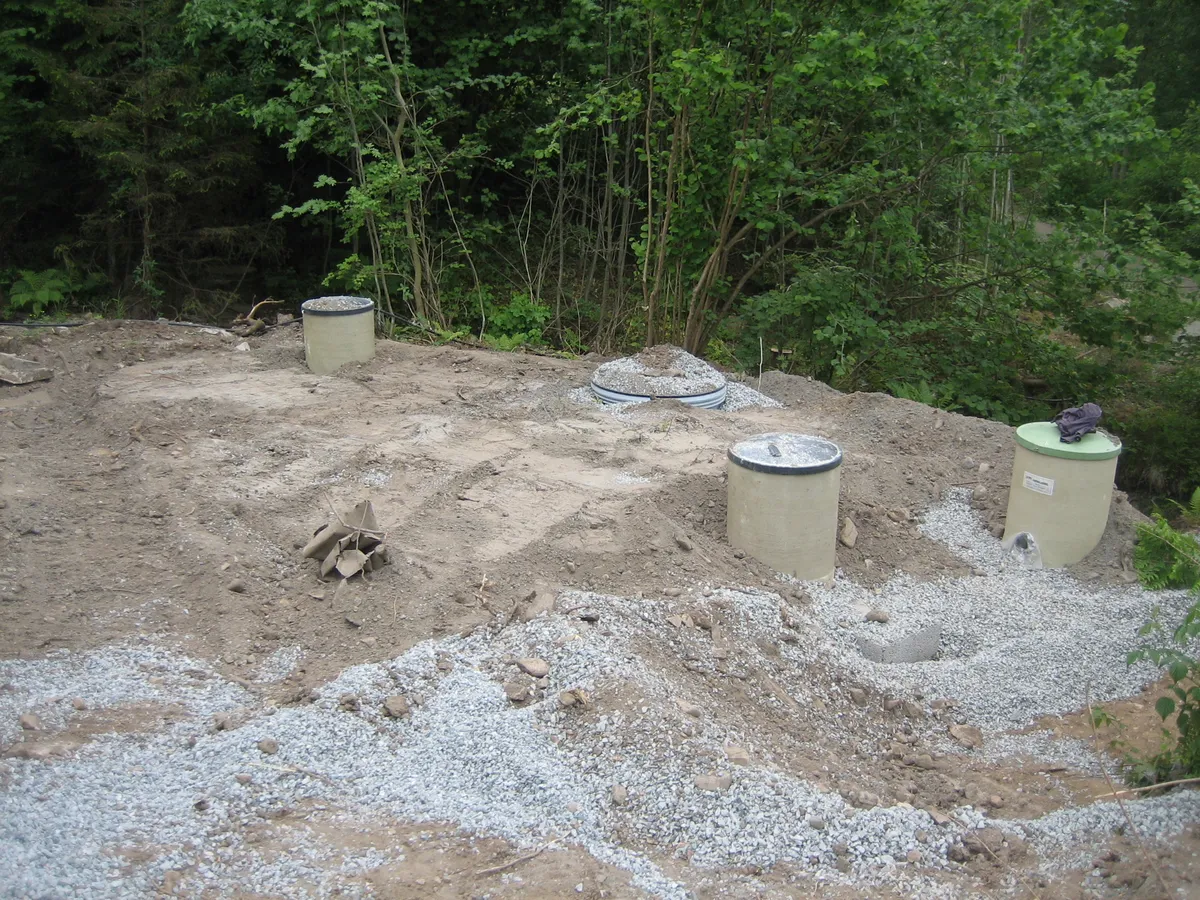
Septic repair
Broken baffles, cracked pipes, failed effluent pumps and alarms, crushed lines, and missing or damaged risers and lids.
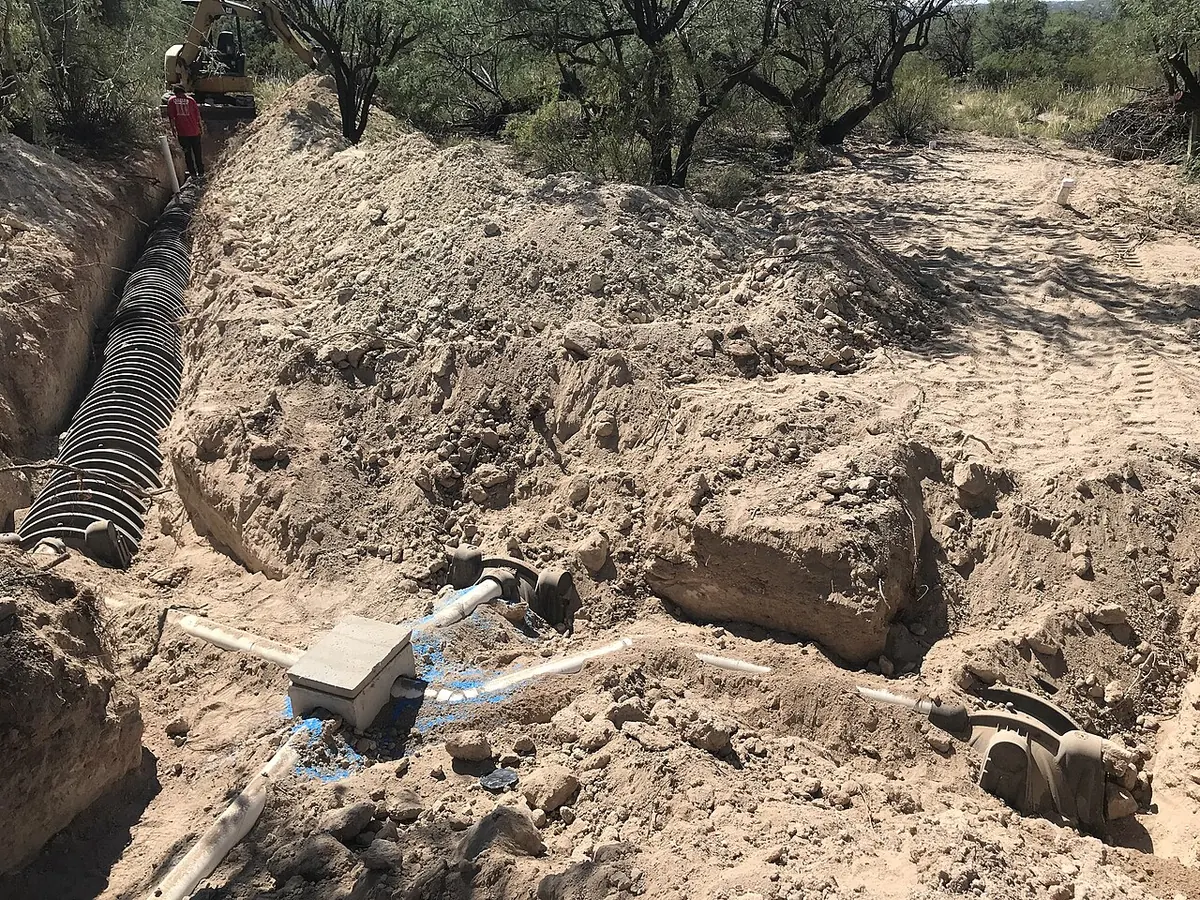
Drain field repair and replacement
Soggy ground, surfacing water or a system that backs up after pumping. We find out why before recommending a fix.
New septic installation
Site evaluation, health district permit, design and install for new homes, shops, ADUs and full replacements.
Nearby areas we serve
Booking takes about a minute
Tell us what's going on
Use the form or call. A few details about your property and the problem are all we need.
We call you back with a plan
We'll confirm the job, give you a price range and set a time that suits you.
A technician fixes it
A local technician arrives, explains what they found, and gets your system working again.
Idaho Falls septic questions
Not covered here? Give us a call. Questions are free.
Who issues septic permits in Idaho Falls?
Eastern Idaho Public Health handles septic permits for Bonneville County from its Idaho Falls office on Hollipark Drive. Permits are needed for new systems, replacements and expansions, not for routine pumping.
Why does EIPH need to see my system before it is covered?
Inspecting the tank and drain field before backfill is a permit requirement in Bonneville County. It lets staff confirm the system matches the approved design. Covering it early can mean reopening the trenches.
My drain field is soggy every spring. Is it failing?
Not always. Around Idaho Falls a rising seasonal water table can saturate the soil under a drain field for a few weeks. A field that stays wet after the ground dries, or that smells, needs a closer look.
How do I keep septic lines from freezing in an Idaho Falls winter?
Keep snow cover over the tank and drain field, stay off them with vehicles, fix dripping fixtures and keep water moving through the system. If the house will sit empty, ask us about it before you leave.
Can I find old septic records for a house in Bonneville County?
Often, yes. Eastern Idaho Public Health takes public records requests for its septic program. Older farmhouse systems may predate any permit, in which case an inspection is the best way to learn what's there.
How often should a rural Idaho Falls home be pumped?
Every three to five years suits most year-round households. Larger families, garbage disposals and homes with a well on the same lot benefit from staying at the shorter end.
Book septic service in Idaho Falls
Send the details and we’ll call you back to confirm a price and a time. Prefer to talk? Call (208) 555-0100.
- Free to ask, no obligation
- A price before any work starts
- Backups and alarms handled first
Request a call back
Takes about a minute.
By submitting, you agree that Reliable Septic Systems and its local service partners may contact you by phone, text or email about your request. Message and data rates may apply; message frequency varies. Reply STOP to opt out. See our Privacy Policy and Terms.