Septic service in Kuna
Pumping, inspections, repairs and new systems for Kuna homes and acreage, from farm properties in town to rural lots toward the Snake River canyon.
Septic on hard ground
Kuna is still a farm-and-ranch town at heart. The city has grown fast, but step past the new subdivisions and you’re among hay fields, horse properties and homes on several acres, most of them with a private well and a septic system in the same yard.
The ground here is harder than it looks. South and east of town, soils thin out over basalt, and a cemented hardpan layer often sits just below the topsoil. Both limit how far wastewater can soak down, which is the whole job of a drain field.
Kuna also has its own city rules for septic inside city limits, on top of Central District Health’s permits. We work with both in mind, so the advice you get fits your property and your address.
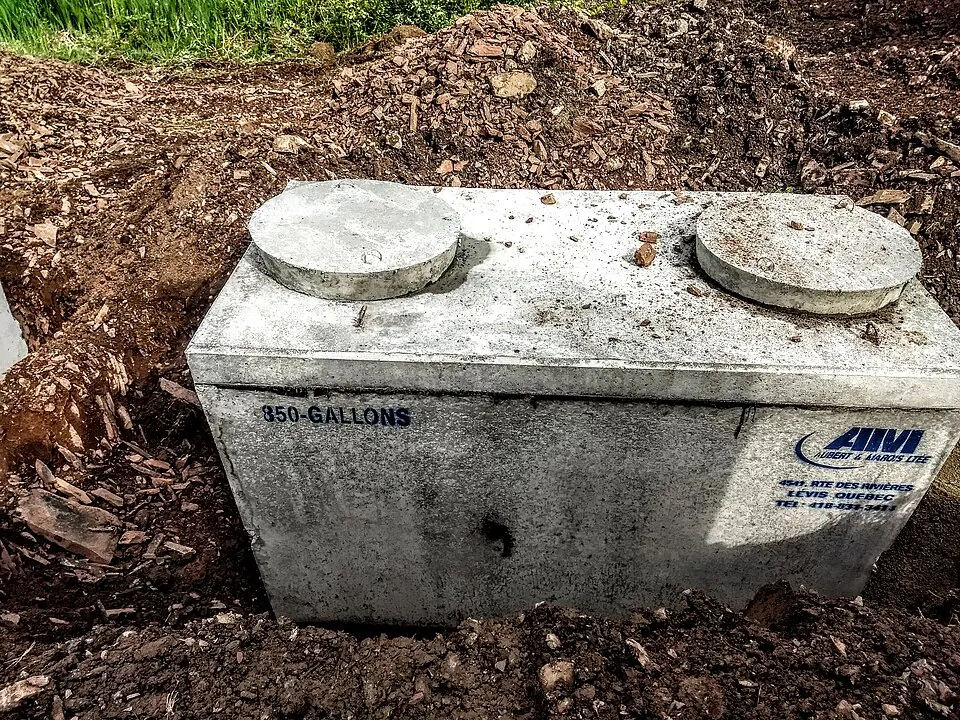
What sets Kuna septic apart
The ground and the city rules both play a part.
Hardpan and basalt
Cemented layers and shallow rock limit how deep a drain field can go.
A city septic ordinance
Inside city limits, Kuna decides when a failed system must connect to sewer.
Well and septic together
Most acreage has both on one lot, so separation and upkeep protect your water.
A local guide to septic in Kuna
For Kuna homeowners and land buyers, from the city ordinance to the rock under the drain field.
Kuna's city septic ordinance, in plain terms
Kuna doesn't leave septic entirely to the health district. In 2015 the city adopted an ordinance setting out when a septic system may be used inside city limits. The basics:
- Working systems can stay. An existing system operating within the law may keep running.
- Failures within reach of sewer must connect. A failed system may be replaced only if the nearest city sewer connection is more than 300 feet from the property line and the city has no plan to bring sewer to it within 90 days.
- A recorded agreement. Owners who replace a system sign a memorandum of understanding, recorded with the county, agreeing to connect once sewer comes within 300 feet.
- Replacing a house. If you tear down and rebuild a home on an existing system, testing must show the system functions to Central District Health standards.
- One home per system. Only one residence may connect to a septic system on a lot.
The city has revised parts of its code since, so confirm the current wording with Kuna City Hall before a major decision. If your system is struggling, call us early: a repair that keeps a system functioning is very different, under these rules, from a failure.
Hardpan, caliche and basalt under your yard
Dig a post hole almost anywhere around Kuna and you may hit a layer that feels like concrete. Southern Idaho farmers call it caliche or hardpan. It forms slowly as lime and silica build up and cement the soil together.
The USDA soil survey shows how close it can be. The Kunaton soil, mapped on the basalt plains just east of Kuna, has a cemented pan starting 10 to 20 inches below the surface, with fractured basalt bedrock typically 20 to 40 inches down, and slow permeability throughout. Not every lot is like that, but it gives a sense of what a drain field may be up against.
For a septic system, that matters because effluent needs a depth of unsaturated soil to be filtered before reaching groundwater. When a pan or bedrock sits too high, Central District Health may require a different design: shallower trenches, a pressurized field, a sand mound or extra treatment. Ripping through a thin pan is sometimes possible. Basalt is a different story.
If you're buying land, ask for a site evaluation before you commit to a house plan.
Wells and septic on the same lot
On most Kuna acreage, the water you drink and the wastewater you flush share the same piece of ground. That makes the distance between the well and the drain field one of the most important numbers on the property.
Central District Health sets separation distances from wells, and Kuna's ordinance goes further inside city limits: a replacement system must meet whichever is greater, the CDH distance or the city's, and keep 150 feet from wells on neighboring properties. Fractured basalt is one reason those distances matter, since water can move through cracks in rock faster than through deep soil.
A few ways to protect your own well:
- Pump the tank on schedule so solids never reach the drain field.
- Keep chemicals, solvents and old fuel out of household drains.
- Test your well water periodically, especially after any septic backup or surfacing.
- Never drill a new well or add a building without checking where the drain field is.
Toward the Snake River canyon
South of Kuna, Swan Falls Road heads across open desert to the Morley Nelson Snake River Birds of Prey National Conservation Area, known for its deep basalt canyon and its nesting falcons, eagles and hawks. The BLM's visitor center for the area is in Kuna.
Homes on the dry benches between town and the canyon live with a few realities:
- Rock close to the surface. The farther toward the canyon, the more often basalt limits drain field depth.
- Distance. Rural roads mean scheduling ahead, and a gravel lane in winter mud needs to be firm enough for a pump truck.
- Wind and dust. Lids and risers get buried under blowing soil, so mark them.
- Wildlife and livestock. Burrowing animals and grazing stock can both damage a drain field.
Let us know your nearest cross street and any gate codes when you book, and we'll plan the route.
Buying rural acreage near Kuna
A few acres outside Kuna can be a great buy, but the septic system and the soil should be part of your due diligence.
- Look up the permit. CDH's online septic search covers records back to 1971. Older systems may not show, so ask the seller for any paperwork.
- Check city limits. If the parcel is inside Kuna, find out how far it is from the nearest city sewer line and whether a recorded septic agreement already applies.
- Inspect with a pump-out. See the tank, baffles and drain field condition before closing. See septic inspections.
- Picture the next building. A shop bathroom or second house usually needs CDH review, and Kuna allows only one residence per septic system.
Long summers, irrigation and your drain field
Kuna summers are long, hot and dry, and lawns, gardens and pastures get a lot of water. That water has to go somewhere, and too much of it over a drain field leaves less room for wastewater, especially where hardpan keeps it from draining down.
- Aim sprinklers and irrigation sets away from the drain field.
- Keep flood-irrigation water from running across the field.
- Divert downspouts and driveway runoff.
- Space out laundry and dishwasher loads on hot weekends when the household is home all day.
Spring and fall are the best times for pumping and repairs, when the ground is workable and not baked hard or frozen. If you notice soggy patches or bright green stripes over the field in midsummer, call. See drain field repair.
Permits and rules in Ada County
Every septic permit in Kuna, inside or outside city limits, is issued by Central District Health (CDH), whose Ada County Environmental Health office is in Boise. You’ll need one for:
- a new system on a vacant parcel or for a replacement house
- a replacement tank or drain field after a failure
- enlarging a system for added bedrooms
Inside Kuna city limits, the city’s own septic ordinance applies too. It decides whether a failed system can be replaced or must hook up to city sewer instead. Pumping and routine maintenance need no permit.
Common septic issues around Kuna
- Hardpan close to the surface that stops effluent from soaking in and pushes it sideways
- Shallow basalt that leaves little room for a standard trench
- Wells and drain fields squeezed onto the same few acres
- Old ranch systems serving more people, or more buildings, than they were built for
Septic services in Kuna
Every service, for every home in the area. We confirm the price with you on the call back, before any work starts.
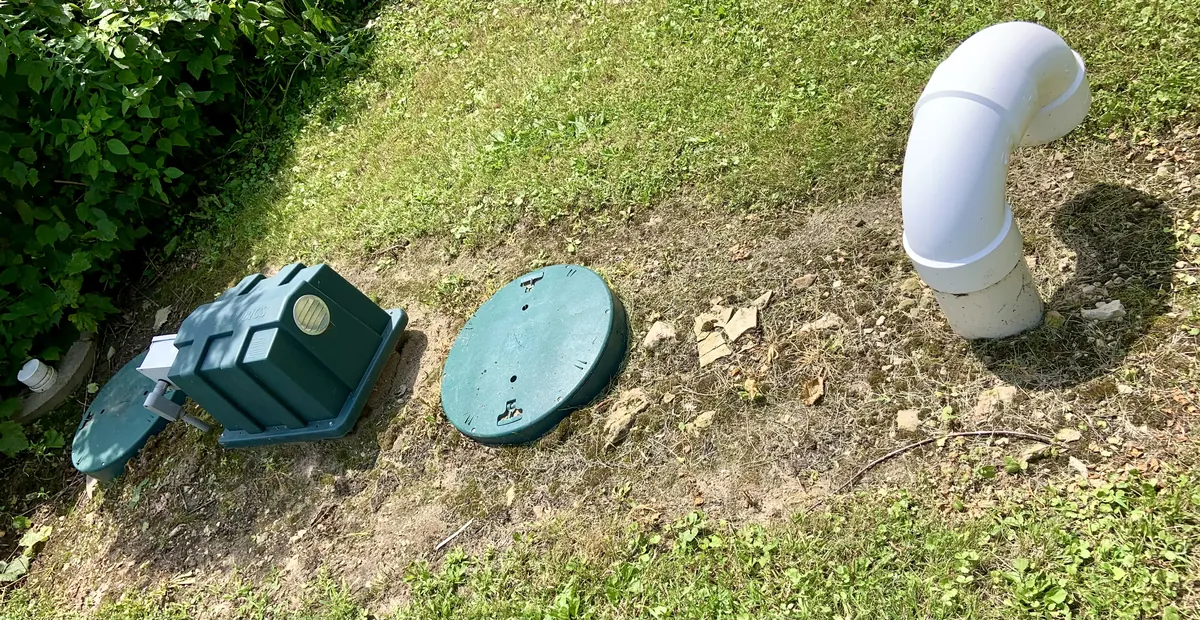
Septic tank pumping
Pump-out of sludge and scum, lids found and uncovered, baffles checked, next pump-out date noted.
Septic inspection
A full check of the tank, baffles, drain field and records, with a written report for a home sale or your own peace of mind.
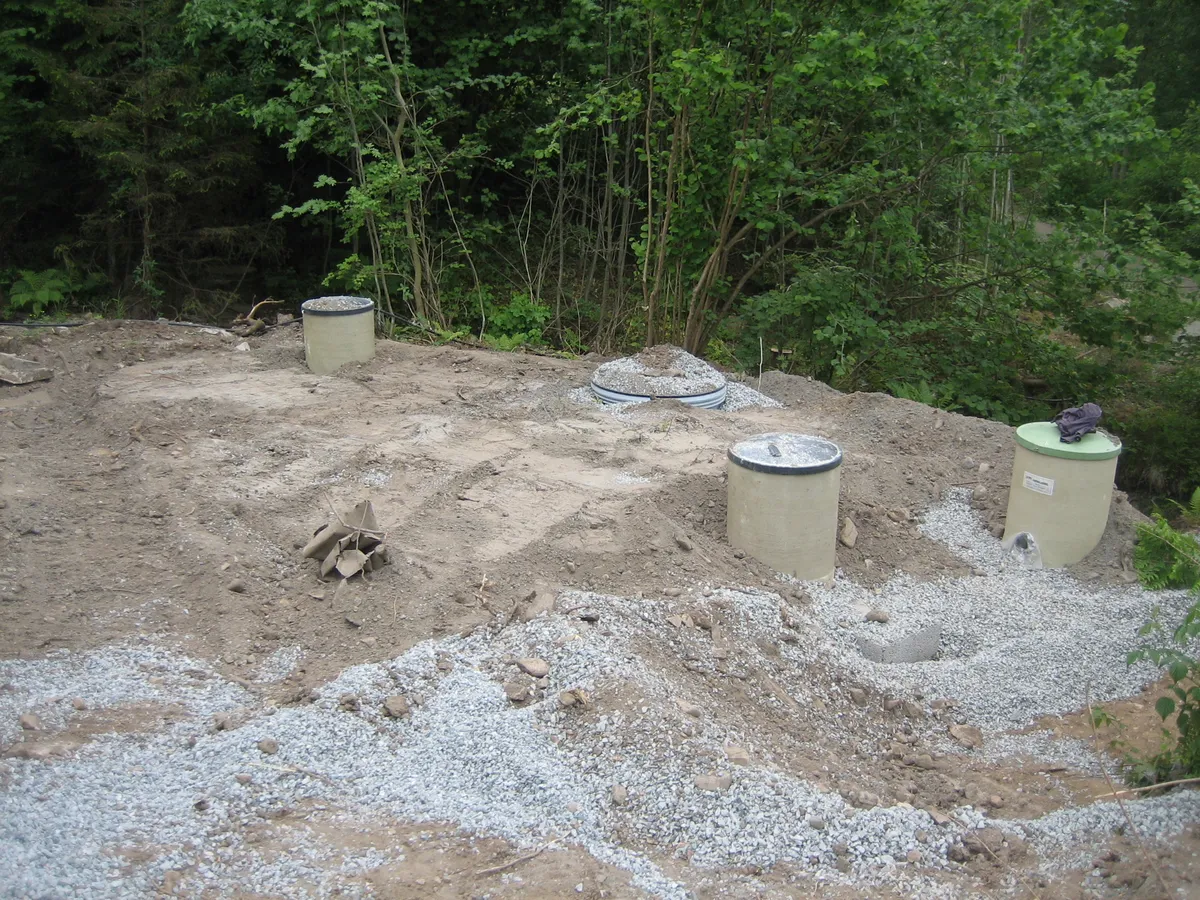
Septic repair
Broken baffles, cracked pipes, failed effluent pumps and alarms, crushed lines, and missing or damaged risers and lids.
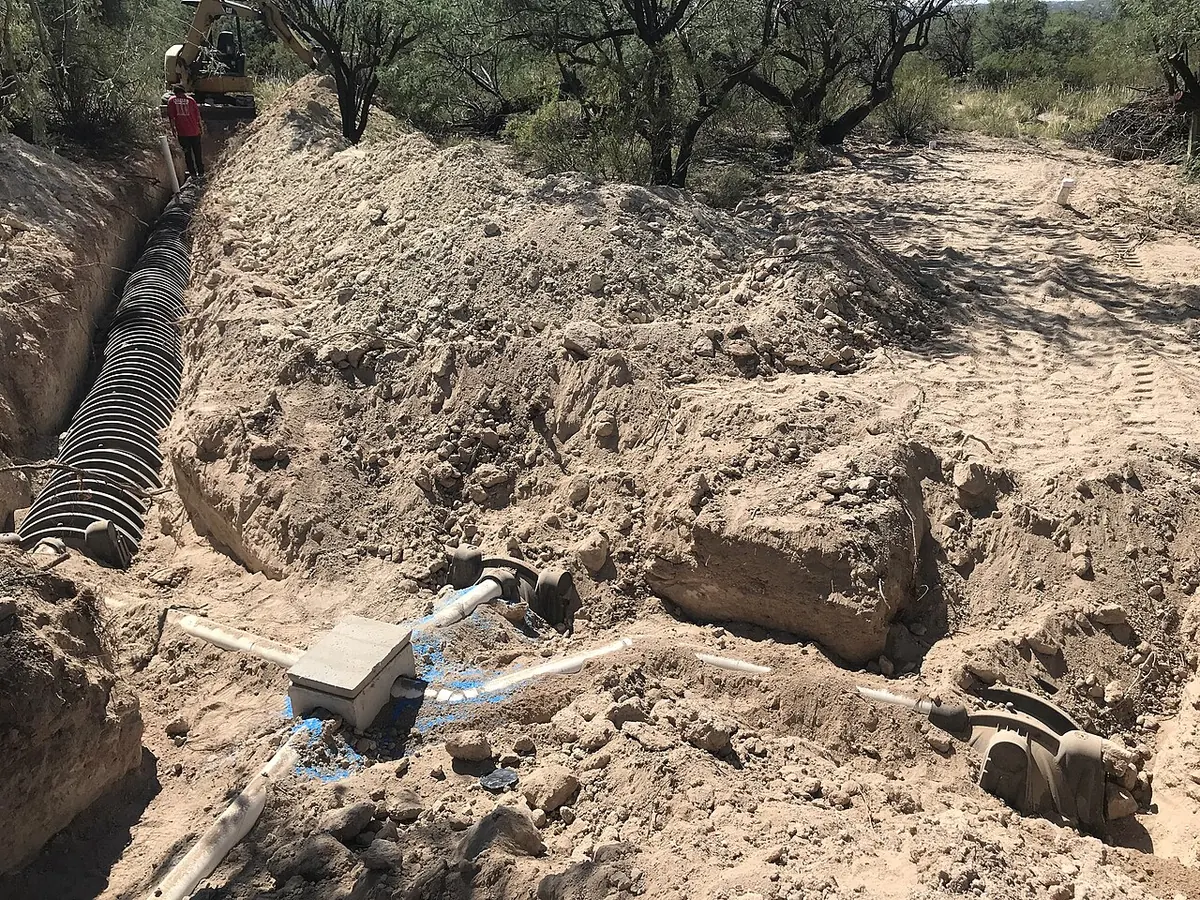
Drain field repair and replacement
Soggy ground, surfacing water or a system that backs up after pumping. We find out why before recommending a fix.
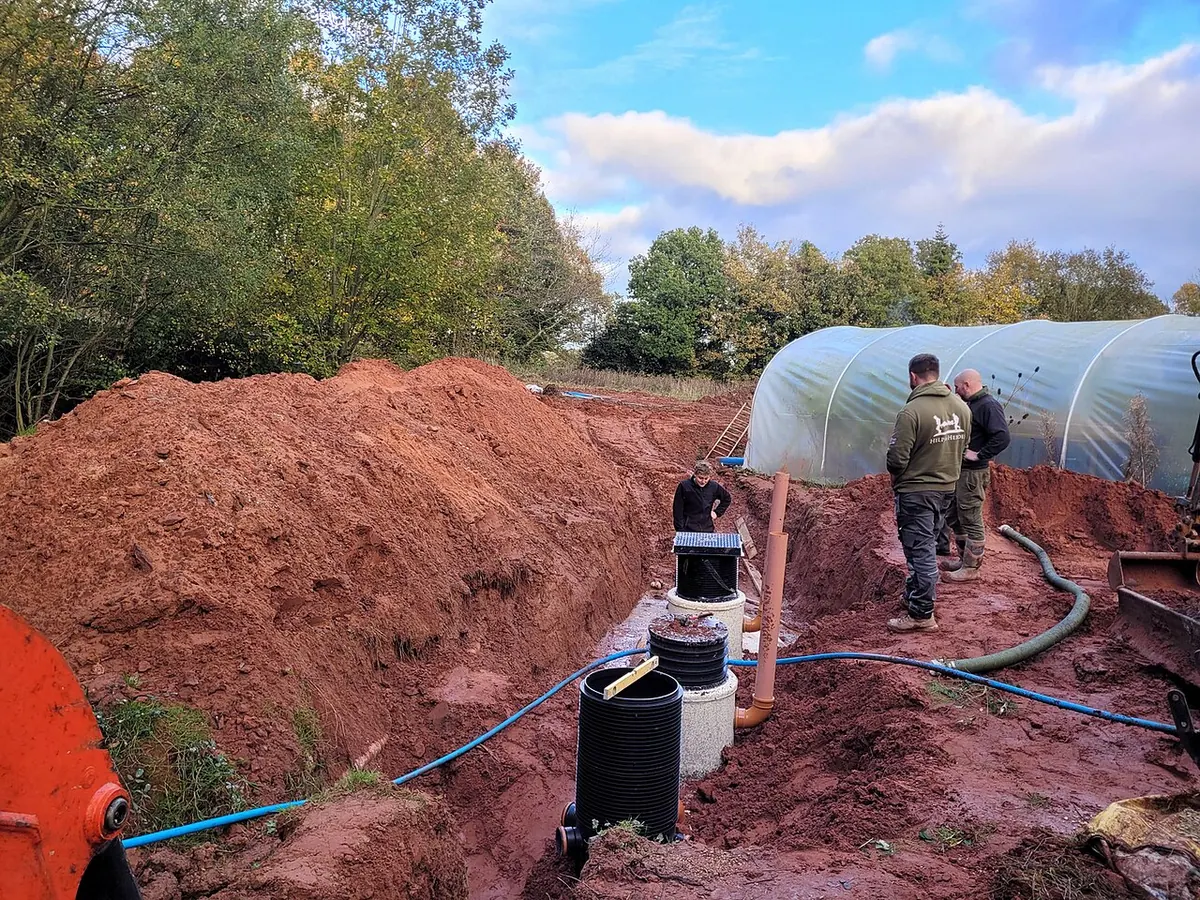
New septic installation
Site evaluation, health district permit, design and install for new homes, shops, ADUs and full replacements.
Nearby areas we serve
Booking takes about a minute
Tell us what's going on
Use the form or call. A few details about your property and the problem are all we need.
We call you back with a plan
We'll confirm the job, give you a price range and set a time that suits you.
A technician fixes it
A local technician arrives, explains what they found, and gets your system working again.
Kuna septic questions
Can’t find yours? Call and ask. There’s no charge for a question.
Does Kuna require me to connect to city sewer?
Only in some cases. Under Kuna's septic ordinance, a working system inside city limits may stay. If it fails and city sewer is within 300 feet, connecting is generally required instead of replacing it. Confirm with Kuna City Hall.
Who issues septic permits in Kuna?
Central District Health, which permits septic systems throughout Ada County. Inside city limits, Kuna's ordinance also decides whether a septic system can be used at all.
Why does hardpan matter for a septic system?
Hardpan or caliche is a cemented layer that water passes through slowly. If it sits close to the surface, effluent can't soak down far enough to be treated, so the drain field may need a special design.
How far must my drain field be from my well in Kuna?
Central District Health sets the distance, and inside city limits Kuna requires the greater of the CDH or city distance, plus 150 feet from wells on neighboring lots. CDH confirms the exact figure for your site.
Can I build a second house on my Kuna acreage using my septic system?
Not on the same system. Kuna's ordinance allows one residence per septic system per lot, and a second home needs its own CDH review and approval.
How often should I pump my septic tank in Kuna?
Every 3 to 5 years for most homes. On hardpan or shallow soil, regular pumping is especially important, because solids that reach the drain field shorten its life.
Book septic service in Kuna
Send the details and we’ll call you back to confirm a price and a time. Prefer to talk? Call (208) 555-0100.
- Free to ask, no obligation
- A price before any work starts
- Backups and alarms handled first
Request a call back
Takes about a minute.
By submitting, you agree that Reliable Septic Systems and its local service partners may contact you by phone, text or email about your request. Message and data rates may apply; message frequency varies. Reply STOP to opt out. See our Privacy Policy and Terms.