Septic service in Meridian
Pumping, inspections, repairs and new systems for Meridian homes still on septic, from old farmhouses to acreage at the edge of new subdivisions.
Older septic homes in a fast-growing city
Meridian has grown from a farm town into one of Idaho’s largest cities, and the subdivisions keep spreading across what used to be fields. Most of those new streets are on city sewer. The houses they grew up around often are not.
Older farmhouses, ranchettes and one-acre county lots still dot the edges of the city and the pockets between developments, many on their own well and septic tank. Some of those tanks went in decades ago and have never been looked at closely.
If your home is one of them, you may be asking two questions at once: what does my system need right now, and will I be hooking up to the city someday? We help with the first and give you straight information about the second.
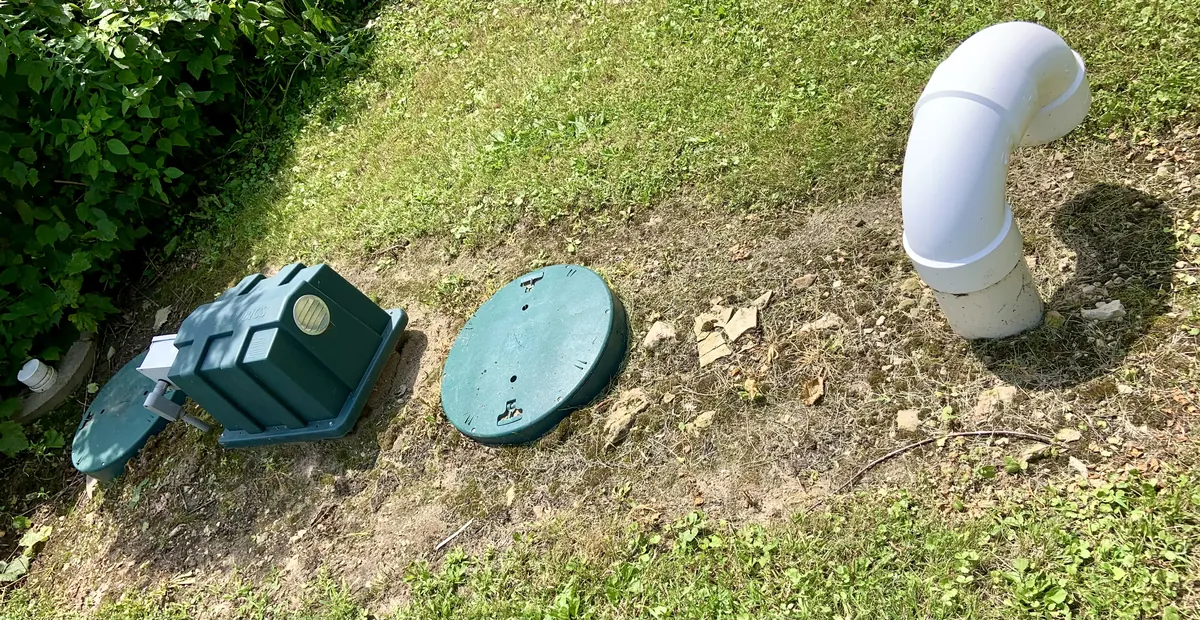
What shapes septic work in Meridian
Three local realities come up on almost every call.
Farmhouses and acreage
Older county homes on wells and septic, often with buried lids and no drawings on file.
Canals and laterals
Irrigation water raises shallow groundwater in summer and limits where a drain field can go.
Sewer on the way
As the city grows outward, owners weigh septic repairs against a future hookup and annexation.
A local guide to septic in Meridian
For owners of older homes and acreage in and around Meridian, from canal water to the sewer question.
Farm homes in the middle of new subdivisions
Drive the section-line roads around Meridian, such as Black Cat, Ten Mile, Linder or McMillan, and you'll see the pattern: an older house on an acre or more, a shop and a pasture, with rooftops from a new subdivision on two or three sides. Many of those homes are still in unincorporated Ada County, still on a private well, and still sending wastewater to a septic tank in the yard.
These systems tend to share some traits. They were often installed long before anyone kept careful drawings. Tanks may be steel or early concrete. Lids are frequently buried under lawn, gravel or a later patio. And the household using them may be bigger than the one the system was designed for, especially when grown children, renters or a home business moved in.
None of that means the system is failing. It does mean the first visit takes a little detective work: locating the tank, checking the baffles and outlet, and noting how the drain field looks. Once we know what's there, we can tell you how often to pump and whether anything needs attention soon.
Will I have to hook up to Meridian sewer?
This is the question we hear most from county homeowners near the city edge. The honest answer is that it depends on your property, and the City of Meridian, not us, makes that call.
What city records show is that connecting a county home to Meridian water and sewer is normally tied to annexation into the city. One staff report from 2021 describes a one-acre lot on a well and septic that annexed so it could connect, because the existing system couldn't take the extra bathroom the owner wanted. In a 2025 case the council approved an agreement letting a home on North Black Cat Road connect before annexation, after road widening took out its septic system.
In practice that leaves you with choices. If sewer is coming down your road, a well-kept septic system usually keeps working until you decide to connect. If your system is failing and sewer is close, it's worth calling Meridian Public Works before paying for a new drain field. Either way, we'll tell you what your tank and field look like today so you can weigh the options with real information.
Irrigation canals, laterals and your drain field
Meridian sits in the middle of one of the valley's oldest irrigation systems. The Nampa & Meridian Irrigation District, formed in 1904, runs the Ridenbaugh Canal and a web of laterals, ditches and drains that still cross backyards and run along property lines all over town.
That water matters for septic in two ways. First, studies of the valley's shallow groundwater show it is fed largely by canal seepage and excess irrigation water, so the water table near a lateral can rise during the irrigation season. A drain field that works fine in March may struggle in July. Second, the district holds a right-of-way strip along its canals and laterals, and building in it takes an agreement with the district. That affects where a replacement drain field can go.
If your yard has a ditch along one side, mention it when you call. Slow drains or soggy spots that come and go with the irrigation season tell us a lot about what is happening underground.
When construction moves in next door
Growth brings bulldozers. When the field beside an older home becomes a subdivision, the septic system on the older lot can take collateral damage: utility trenches cut across a drain line, heavy trucks compact the soil over a field, or new grading sends runoff toward the tank.
Some practical steps help:
- Know where your system is. Have the tank and drain field located and marked before work starts nearby, so you can point them out.
- Watch your own projects too. A new fence, RV pad, shop or swimming pool is one of the most common ways owners damage their own drain field.
- Note changes. A new wet spot, a gurgle in the drains or a smell after the neighbors' grading work deserves a look sooner rather than later.
If something does get crushed or cut, we can find the damage and repair it. Bigger repairs may need a CDH permit first.
Buying an older Meridian-area property
A house on an acre near Meridian can feel like a rare find, and the septic system is part of what you're buying. Before closing, it pays to:
- Search the CDH records. Central District Health has an online septic search with records going back to 1971. Not every property appears, and some older permits come up as "No Match", in which case a records request may turn up the file.
- Book an inspection with a pump-out, so the inspector can see the inside of the tank and the baffles. See septic inspections.
- Ask about the city. Find out whether the lot is inside Meridian's planned growth area and how far the nearest sewer main is.
- Think about your plans. Adding a shop bathroom, a casita or extra bedrooms can push an old system past what it was permitted for.
A Treasure Valley year for your septic system
Meridian's calendar is shaped by the irrigation season more than by snow. Water usually runs in the canals from spring into fall, and the ground around laterals and flood-irrigated pastures stays wetter while it does.
Late winter and early spring is a good time for pumping and inspection, before irrigation water raises the ground moisture and before summer guests add to the load.
Summer brings lawn watering and heavy use. Keep sprinklers off the drain field and don't let a flood-irrigated pasture spill onto it. A system that only backs up in July is often telling you about water in the soil, not a full tank.
Fall, after the canals are shut off, is the easiest season to dig, repair and replace. If a drain field has been struggling, that's the time to plan the fix. See drain field repair.
Permits and rules in Ada County
Septic permits in Meridian and the rest of Ada County come from Central District Health, at 707 N. Armstrong Place in Boise. A permit is part of:
- a brand-new system, or an expansion for added bedrooms or a guest suite
- repairing or replacing a failed drain field
- a tank-only replacement
CDH keeps permit records online, so it’s worth looking up your address before a repair. Pumping, lid and riser work and routine inspections don’t need a permit. Sewer hookups are a separate matter handled by the City of Meridian.
What we run into around Meridian
- Farmhouse tanks with no records, no risers and sometimes no clear idea where the drain field is
- Wet ground in summer when irrigation water is running in nearby canals and laterals
- Construction next door: heavy equipment, new fences and regrading crossing old drain lines
- More people in an old house than the system was sized for
Septic services in Meridian
Every service, for every home in the area. We confirm the price with you on the call back, before any work starts.
Septic tank pumping
Pump-out of sludge and scum, lids found and uncovered, baffles checked, next pump-out date noted.
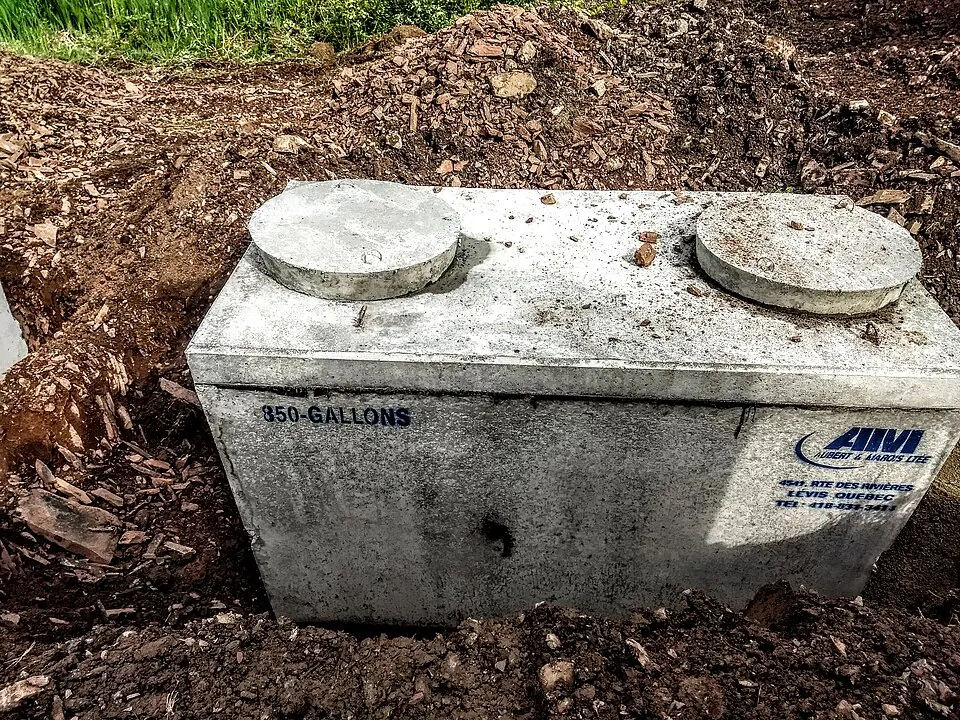
Septic inspection
A full check of the tank, baffles, drain field and records, with a written report for a home sale or your own peace of mind.
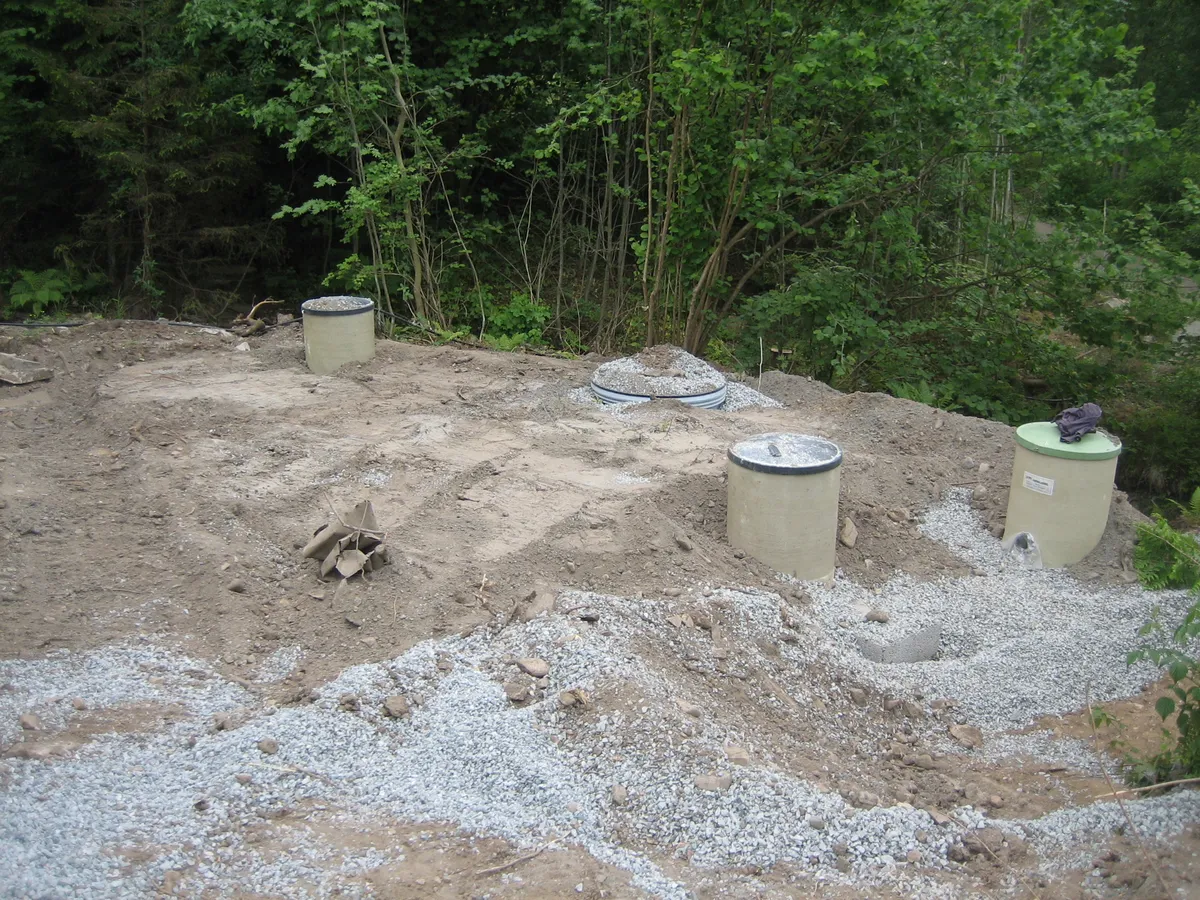
Septic repair
Broken baffles, cracked pipes, failed effluent pumps and alarms, crushed lines, and missing or damaged risers and lids.
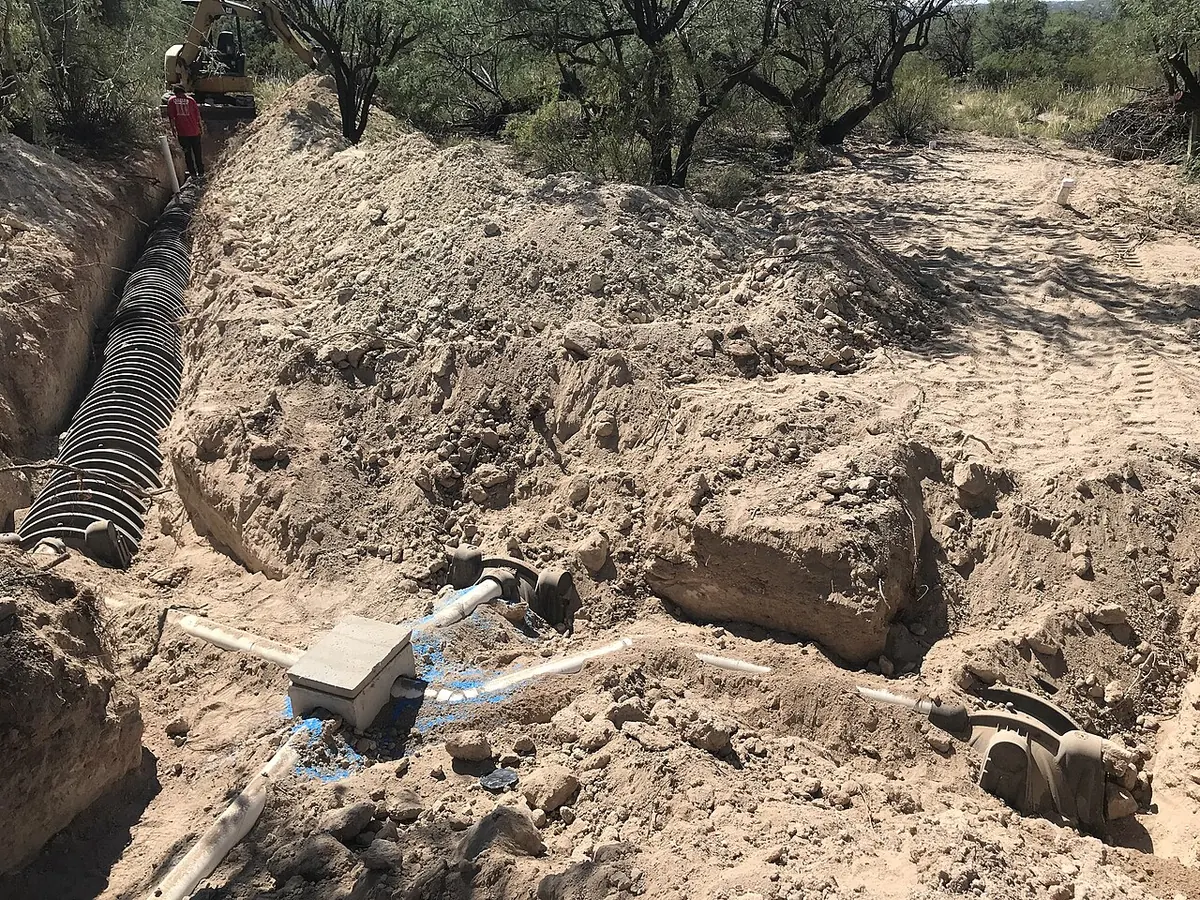
Drain field repair and replacement
Soggy ground, surfacing water or a system that backs up after pumping. We find out why before recommending a fix.
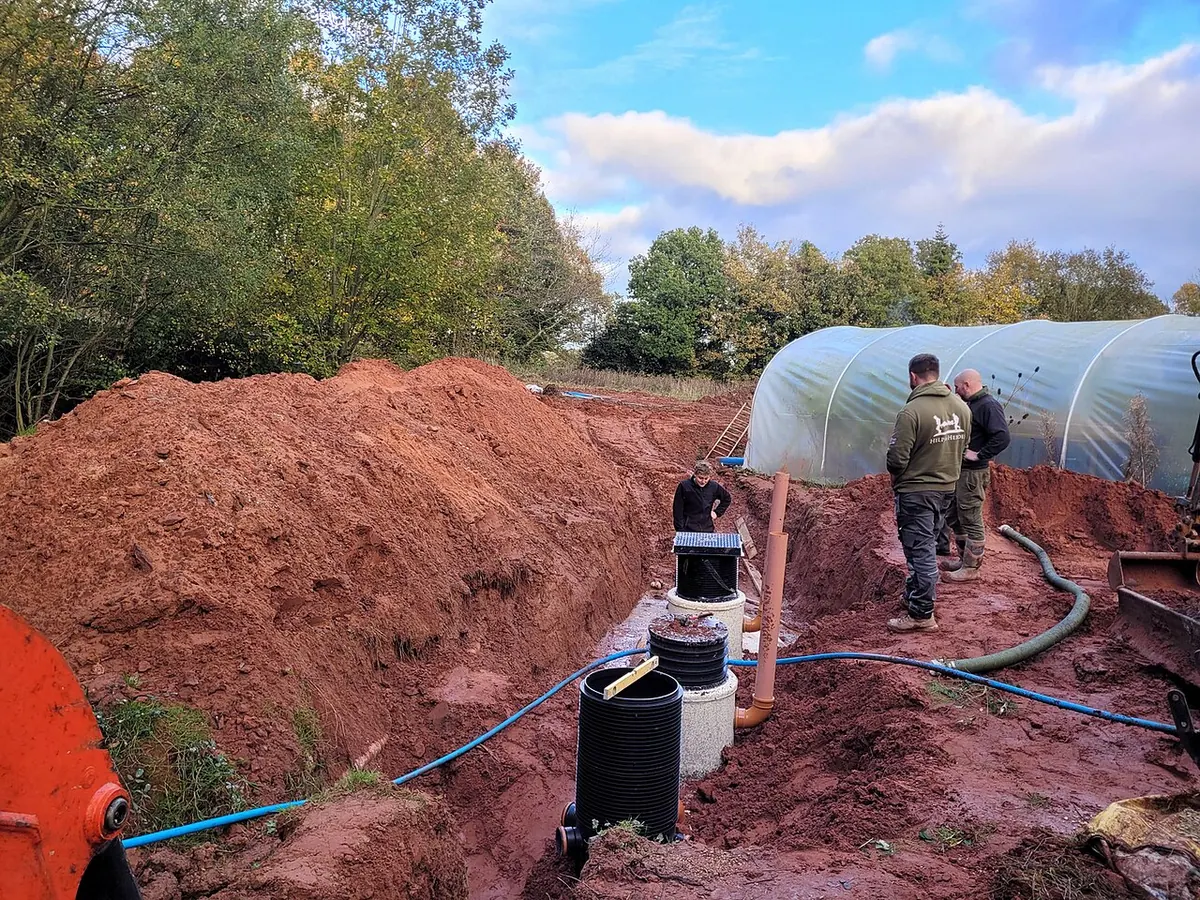
New septic installation
Site evaluation, health district permit, design and install for new homes, shops, ADUs and full replacements.
Nearby areas we serve
Booking takes about a minute
Tell us what's going on
Use the form or call. A few details about your property and the problem are all we need.
We call you back with a plan
We'll confirm the job, give you a price range and set a time that suits you.
A technician fixes it
A local technician arrives, explains what they found, and gets your system working again.
Meridian septic questions
Can’t find yours? Call and ask. There’s no charge for a question.
Is my Meridian-area home on septic or city sewer?
If your Meridian utility bill includes a sewer charge, you're on sewer. Homes still in unincorporated Ada County, especially on an acre or more with a private well, are usually on septic. The Central District Health online septic search can often confirm it.
Do I have to connect to Meridian sewer if a main reaches my street?
That depends on your property and is decided by the City of Meridian. Hooking a county home to city sewer is normally tied to annexation. Ask Meridian Public Works about your parcel before planning a major septic repair.
Who issues septic permits in Meridian?
Central District Health, which covers all of Ada County. Its Ada and Boise County office is at 707 N. Armstrong Place in Boise. New systems, drain field repairs and tank replacements all go through CDH.
Can an irrigation ditch affect my septic system?
It can. Canal and lateral seepage feeds shallow groundwater in the valley, so soil near a ditch can stay wet during the irrigation season. Drain fields also have to stay out of the irrigation district's right-of-way.
How do I find my septic tank on an old farm property?
Start with the CDH records search for a drawing. If there isn't one, we locate the tank by tracing the sewer line from the house, then mark it so it's easy to find next time.
How often should a Meridian household pump its septic tank?
Most full-time homes need pumping every 3 to 5 years. Bigger households, a home business or extra people living on the property can shorten that.
Book septic service in Meridian
Send the details and we’ll call you back to confirm a price and a time. Prefer to talk? Call (208) 555-0100.
- Free to ask, no obligation
- A price before any work starts
- Backups and alarms handled first
Request a call back
Takes about a minute.
By submitting, you agree that Reliable Septic Systems and its local service partners may contact you by phone, text or email about your request. Message and data rates may apply; message frequency varies. Reply STOP to opt out. See our Privacy Policy and Terms.