Septic service in Coeur d'Alene
Pumping, inspections, repairs and new systems for homes around Coeur d’Alene, from lake cabins to acreage over the Rathdrum Prairie.
Septic systems here sit on top of something important
Inside the city, most homes are on sewer. Step outside the limits, toward Fernan, Dalton Gardens, the Lake Coeur d’Alene shoreline or the open ground north toward Rathdrum, and septic systems are the norm.
Much of that ground sits on top of the Rathdrum Prairie Aquifer, the sole source of drinking water for more than half a million people in North Idaho and Spokane. The gravel that makes the aquifer so productive also lets wastewater move quickly, so the rules here are some of the strictest in the state.
For you, that means a failing system is taken seriously, and a repair or replacement often needs a permit and a site evaluation before work starts. We ask about your lot, its age and its records up front, so the technician arrives knowing what the health district will expect.
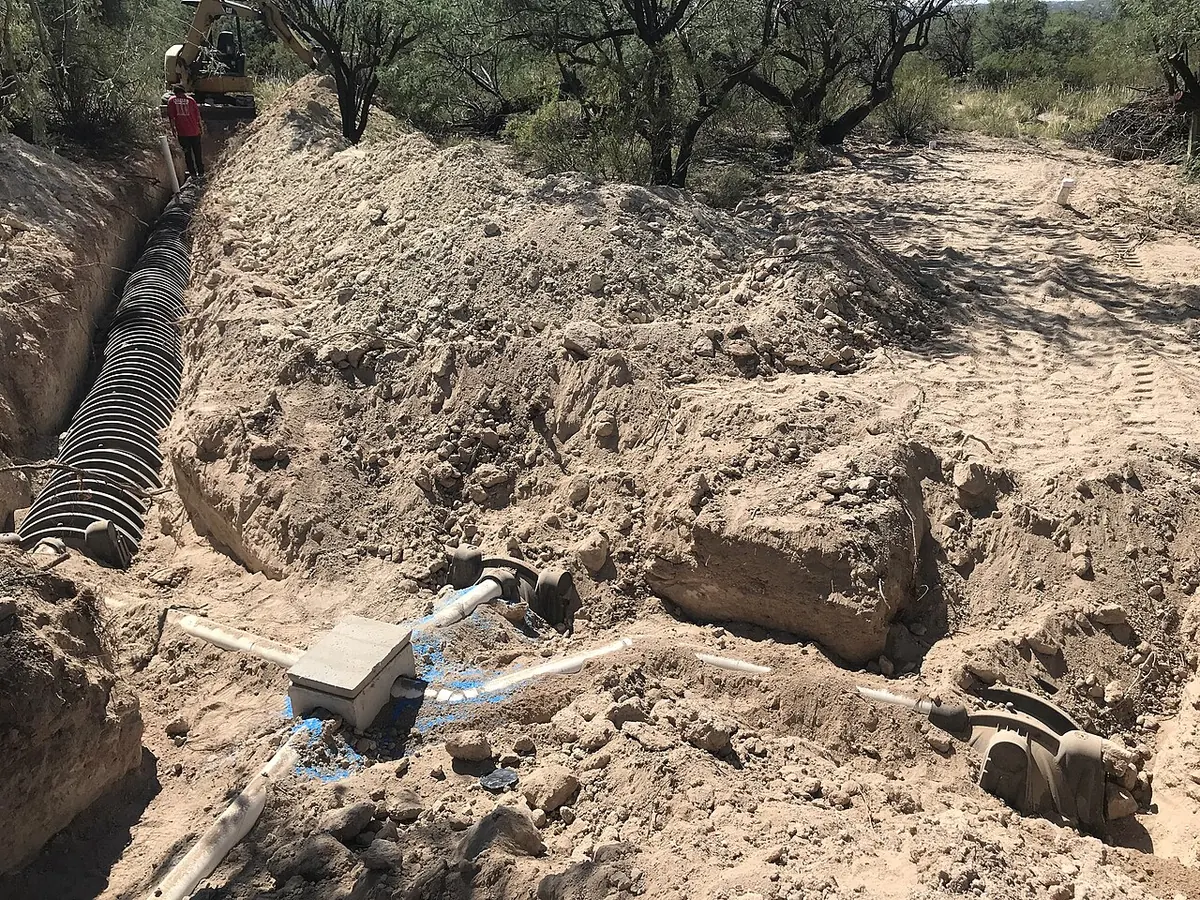
What's different about septic around Coeur d'Alene
Three things shape almost every job in this part of Kootenai County.
The aquifer underneath
Fast-draining gravel over the region's only drinking water source means strict design rules and closer review.
Lake and river lots
Homes near Lake Coeur d'Alene, Hayden Lake and the Spokane River face setbacks and extra soil checks.
Cabins turned homes
Systems built for summer weekends are now carrying full-time households, and many are undersized.
A local guide to septic in Coeur d'Alene
What homeowners around the lake and the prairie should know, from the aquifer rules to North Idaho winters.
Where septic is common around Coeur d'Alene
The city itself is mostly on sewer, but a short drive in almost any direction puts you on septic. Homes around Fernan Lake, parts of Dalton Gardens, the hillsides and bays along Lake Coeur d'Alene toward Wolf Lodge and Rockford Bay, the country around Hayden Lake, and the acreage spreading north across the prairie toward Rathdrum and Athol mostly rely on their own systems.
That mix means very different jobs within a few miles: a modern system on a five-acre parcel, a 1970s tank behind a lake cabin, or an older home on the edge of town that was never connected to the sewer. We ask where you are and how old the house is before anyone drives out, so the right equipment comes on the first trip.
Why the aquifer matters for your septic system
The Rathdrum Prairie is built on deep layers of sand, gravel and boulders left by the Ice Age floods. Water moves through that gravel quickly, which is why the aquifer beneath it supplies drinking water to more than half a million people in North Idaho and the Spokane area. The EPA designated it a sole source aquifer in 1978.
The same gravel that makes the aquifer so productive gives wastewater very little time to be filtered before it reaches groundwater. That is the reason for the rule limiting septic systems over the aquifer to one home per five acres, now part of Kootenai County code, and for Panhandle Health District's close review of every new or replacement system.
For homeowners, a working septic system isn't just about avoiding a backup. It's part of protecting the water your neighbors drink. Regular pumping and fixing problems early are the simplest ways to do that.
Lakefront and hillside properties
Lake and hillside lots are some of the most beautiful around Coeur d'Alene, and some of the hardest to serve. Common challenges include:
- Limited space between the house, the water and the slope, which leaves little room for a drain field.
- Shallow soil over rock on the hillsides, so wastewater has less soil to pass through.
- Setbacks from the water, which Panhandle Health District checks closely on any new or replacement system.
- Hard access for a pump truck down steep or narrow driveways.
Systems on these lots sometimes need an alternative design, such as a pressurized drain field or extra treatment, to meet the rules. When a repair or replacement is needed, a site evaluation by the health district comes first.
Buying a home on septic in Kootenai County
If you're buying around Coeur d'Alene, treat the septic system like the roof or the furnace: something to check properly before closing.
- Ask for records. The date of the last pump-out, the tank size and any repairs. Panhandle Health District may have the original permit and system drawing on file.
- Count the bedrooms. Systems are sized by bedrooms. If the listing has more bedrooms than the permit allows, ask about it.
- Book an inspection during your inspection period. A pump-out at the same visit lets the inspector see the inside of the tank. See septic inspections.
- Plan for the future. If you want to add a bedroom, a shop with a bathroom or an ADU, the system may need to be reviewed and upgraded.
Winter and spring in North Idaho
North Idaho winters bring heavy snow and long cold spells, and both affect septic systems.
Before winter, mark the location of your tank lids so they can be found under snow, and book any pump-out that's due in the fall. Don't compact snow over the drain field by driving, parking or plowing onto it: a layer of loose snow actually helps insulate the system.
In spring, snowmelt and rain can saturate the ground. A drain field that is near the end of its life often shows it first in March and April, with soggy patches, smells or slow drains. If that happens, a pump-out buys time, and a drain field check tells you what comes next. See drain field repair.
Protecting the lake and your system
Lake Coeur d'Alene, Hayden Lake and Fernan Lake are what draw many people to the area. A healthy septic system helps keep them that way.
- Pump on schedule, usually every 3 to 5 years for a full-time home.
- Keep fertilizer, pet waste and chemicals away from the drain field.
- Don't flush wipes, grease, medicines or paints.
- Spread laundry through the week, and fix leaking toilets and taps.
- If a seasonal cabin is now lived in full-time, have the system checked to see whether it's still big enough.
Permits and rules in Kootenai County
Septic permits around Coeur d’Alene are issued by Panhandle Health District (Kootenai County office at 8500 N. Atlas Road, Hayden). You’ll need one for:
- a new system for a new home, shop or ADU
- replacing a tank or drain field
- most major repairs and system expansions, for example adding a bedroom
Before a permit is issued, the district evaluates the site, sometimes with test holes to check soil and depth to groundwater. Routine pumping and minor repairs like a new lid or riser don’t need a permit.
Common septic problems around Coeur d'Alene
- Older lake cabins with small tanks sized for summer weekends, now used year-round
- Buried lids under decades of landscaping, which makes pumping slow
- Snowmelt and spring rain saturating drain fields on heavier soils toward the hills
- Roots from pines and firs getting into pipes and the drain field
Septic services in Coeur d'Alene
Every service, for every home in the area. We confirm the price with you on the call back, before any work starts.
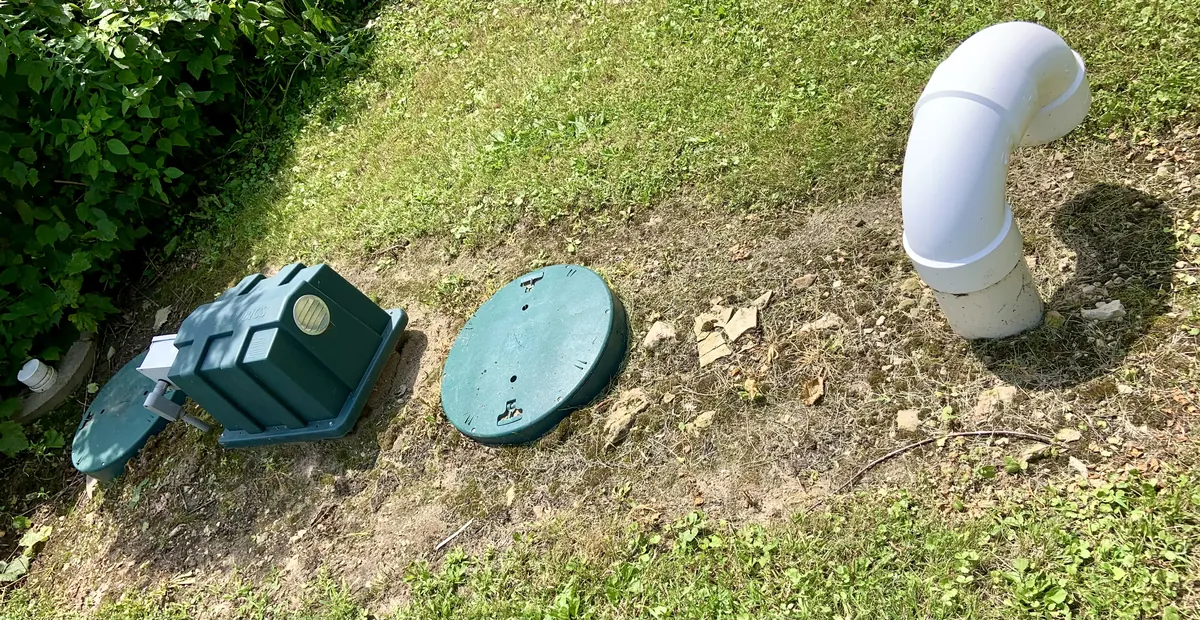
Septic tank pumping
Pump-out of sludge and scum, lids found and uncovered, baffles checked, next pump-out date noted.
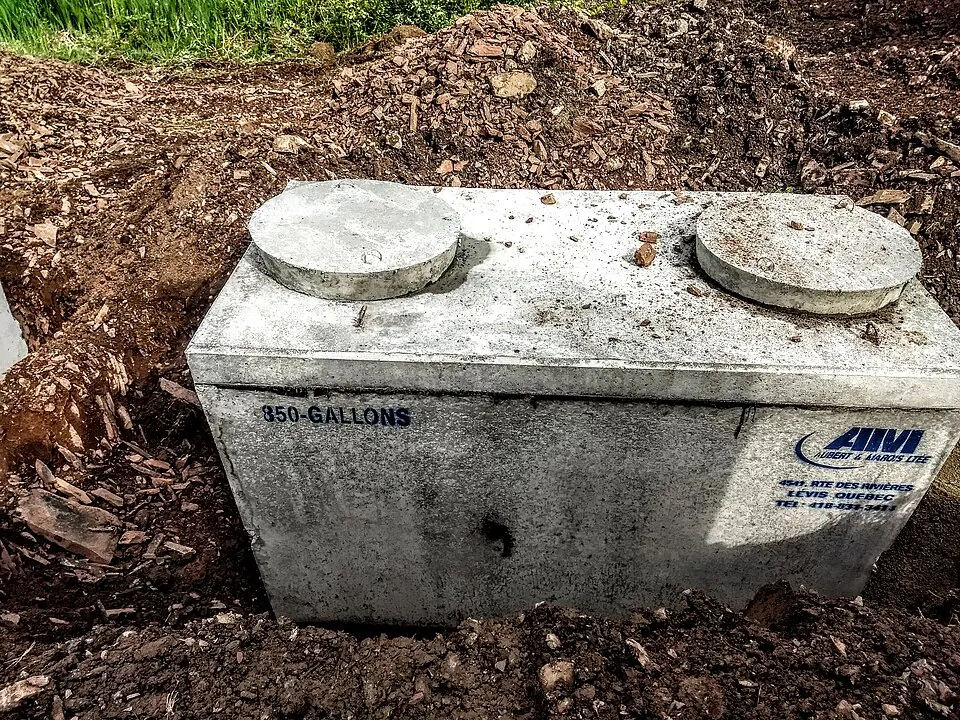
Septic inspection
A full check of the tank, baffles, drain field and records, with a written report for a home sale or your own peace of mind.
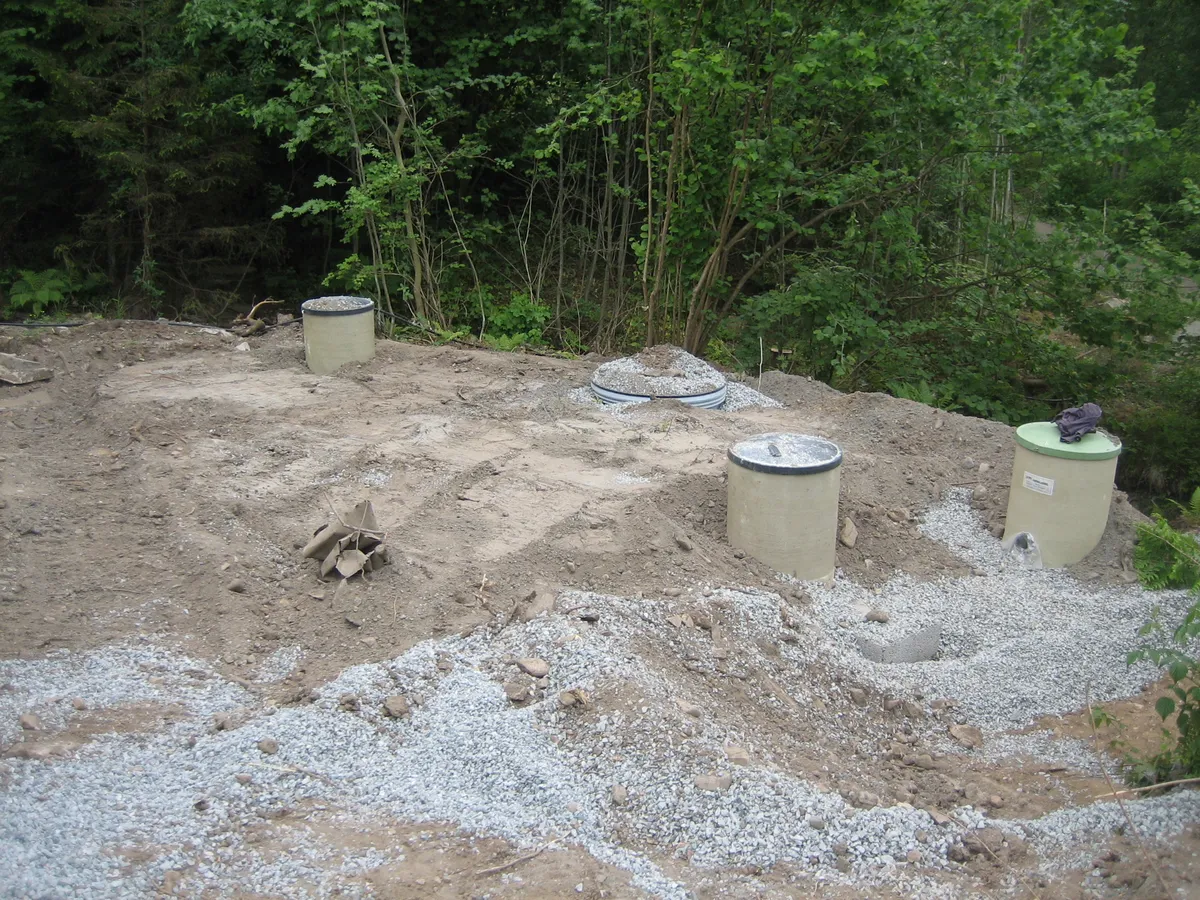
Septic repair
Broken baffles, cracked pipes, failed effluent pumps and alarms, crushed lines, and missing or damaged risers and lids.
Drain field repair and replacement
Soggy ground, surfacing water or a system that backs up after pumping. We find out why before recommending a fix.
New septic installation
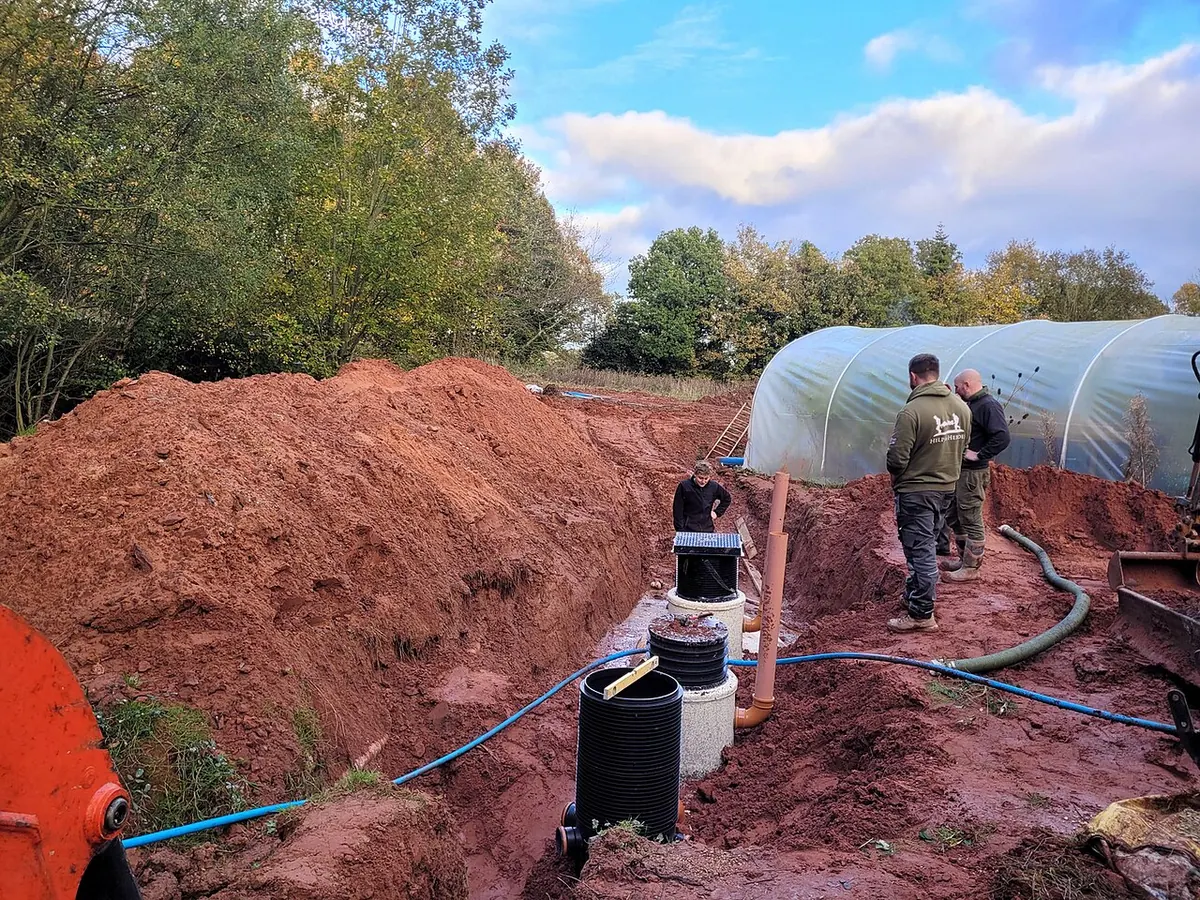
Site evaluation, health district permit, design and install for new homes, shops, ADUs and full replacements.
Nearby areas we serve
Booking takes about a minute
Tell us what's going on
Use the form or call. A few details about your property and the problem are all we need.
We call you back with a plan
We'll confirm the job, give you a price range and set a time that suits you.
A technician fixes it
A local technician arrives, explains what they found, and gets your system working again.
Coeur d'Alene septic questions
Can’t find yours? Call and ask. There’s no charge for a question.
Is my Coeur d'Alene home on septic or sewer?
If you pay a sewer charge on your city utility bill, you're on sewer. If not, and especially outside city limits, you're most likely on septic. Your property records or Panhandle Health District can confirm it, and may have the original permit drawing.
Can I add a bedroom to a house on septic in Kootenai County?
Possibly, but the system has to be sized for it. Septic capacity is based on bedrooms, so an addition usually needs Panhandle Health District to review the existing system, and sometimes an upgrade.
Do lakefront properties have different septic rules?
Properties near Lake Coeur d'Alene, Hayden Lake and the Spokane River face setback requirements from the water and closer review of soil and groundwater. Older shoreline systems are a common reason for replacements.
Does Panhandle Health District have records of my septic system?
Often, yes. Systems permitted by the district usually have a permit and a drawing on file. Contact the Kootenai County office in Hayden with your address or parcel number.
Do I need a permit to replace my septic tank in Coeur d'Alene?
Yes. Replacing a tank or drain field needs a permit from Panhandle Health District, and the site may be evaluated first. Routine pumping and small repairs, like a new lid or riser, don't.
How often should I pump my septic tank in Coeur d'Alene?
Every 3 to 5 years for most year-round homes. Cabins used only in summer can often go longer, but the date of the last pump-out matters more than the season.
Book septic service in Coeur d'Alene
Send the details and we’ll call you back to confirm a price and a time. Prefer to talk? Call (208) 555-0100.
- Free to ask, no obligation
- A price before any work starts
- Backups and alarms handled first
Request a call back
Takes about a minute.
By submitting, you agree that Reliable Septic Systems and its local service partners may contact you by phone, text or email about your request. Message and data rates may apply; message frequency varies. Reply STOP to opt out. See our Privacy Policy and Terms.