New septic system installation in Idaho
From the site evaluation and health district permit to the final inspection, for new homes, shops, ADUs and full replacements.
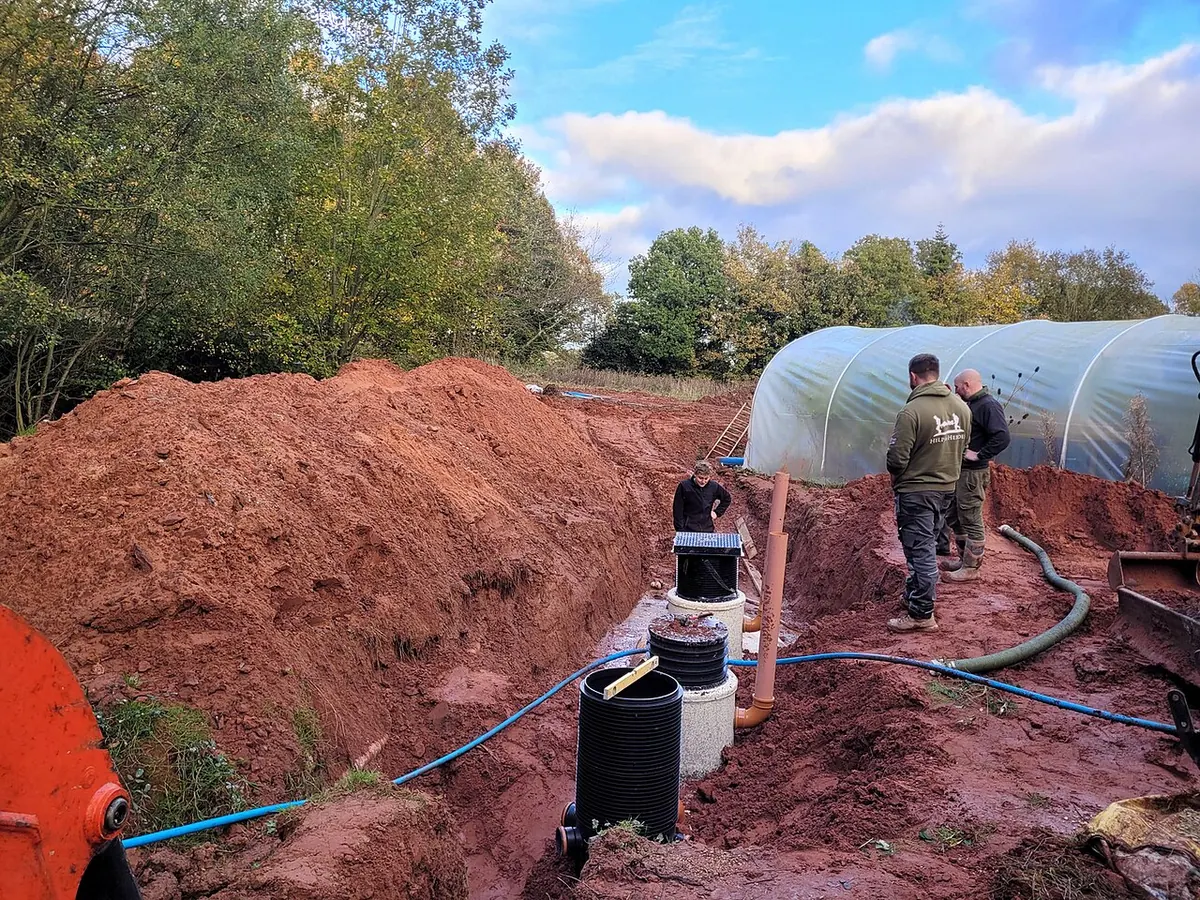
Talk to us early if you are
- Buying land and want to know if it will pass
- Building a new home, shop or ADU
- Replacing a failed tank or drain field
- Adding bedrooms to a home on septic
Not sure? Describe what you're seeing and we'll tell you on the call back.
How a new install comes together
The order matters. Here’s how the job runs, from bare ground to a working system.
- 1
Site evaluation
The health district checks the soil in test holes and sets what the lot can take.
- 2
Permit and design
The system is sized to the bedrooms and the soil, and the permit is issued.
- 3
Installation
We set the tank, build the drain field and connect it to the house.
- 4
Inspection and cover
The district inspects the work, then the system is backfilled and graded.
Why planning the septic first matters
A septic system is the one part of a rural build you can’t change your mind about later. Where it goes, how big it is and what type it is are all set by the soil on your lot and by your health district, and they decide where the house, the shop and the well can go too.
In Idaho, every new system needs a permit from one of the seven public health districts before any digging starts, and the district inspects the work before it’s finished. Getting the order right saves weeks: site evaluation first, then the permit and design, then installation and inspection.
We plan the job with you from the start, so the system suits the soil, the house and how you’ll use it, and the health district sees what it expects to see.
Idaho's seven health districts
Your permit comes from the district that covers your county:
- Panhandle Health District, the five northern counties
- Public Health – Idaho North Central District, around Lewiston and Moscow
- Southwest District Health, including Canyon County
- Central District Health, Ada, Boise, Elmore and Valley counties
- South Central Public Health District, the Magic Valley
- Southeastern Idaho Public Health, around Pocatello
- Eastern Idaho Public Health, around Idaho Falls and Rexburg
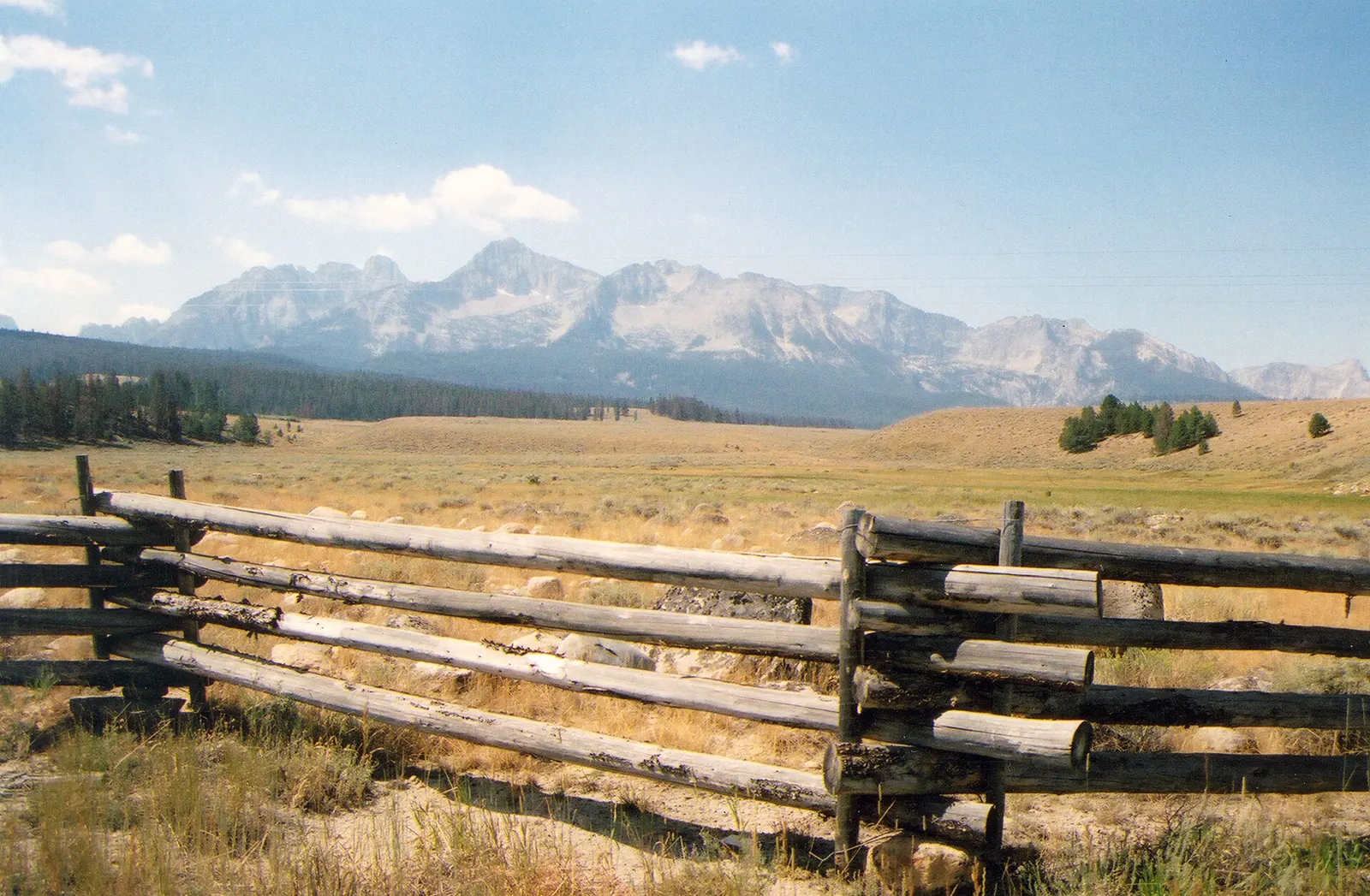
On a rural Idaho lot, the soil decides where the septic goes, and the septic decides where the house goes.
What affects the job
Every lot is different, so we confirm the price with you on the call back, before any work starts. These are the things we’ll ask about.
Size of the home
More bedrooms means a bigger tank and a larger drain field.
Soil and groundwater
Shallow soil, rock or high groundwater can call for a pressure, mound or treatment system.
System type
Gravity systems are simplest. Pumps, sand and treatment units add parts and work.
Permit and design
The district's site evaluation and permit set the design before we dig.
Site access
Slopes, trees, distance from the road and soft ground change how equipment gets in.
Season
Wet spring soil and frozen winter ground affect when testing and digging can happen.
You get the price before any digging starts.
A guide to new septic systems in Idaho
How the permit works, which system your lot may need, and how to plan a build around it.
The Idaho permit process, step by step
Every district has its own forms and schedule, but the steps are the same across the state under IDAPA 58.01.03:
- Site evaluation. A health district specialist visits the lot and looks at the soil in test holes, usually dug with a backhoe or excavator. They record the soil type, how deep it goes, and the depth to groundwater or bedrock.
- Permit application. You or your installer apply with a site plan showing the house, the well, property lines and the proposed system. The number of bedrooms sets the design flow, so tell us about any plans to add on.
- Design. The district's findings decide the system type, the size of the drain field and how deep it can go. Complex systems may need an engineered design.
- Installation. We set the tank, lay out and dig the drain field, and connect everything to the house sewer line.
- Inspection. The health district inspects the system against the permit. Eastern Idaho Public Health, for example, requires tanks and drain fields to be inspected before they're covered, and asks for notice to schedule it. Your district sets its own timing, and we plan around it.
- Backfill and final grade. Once the inspector has signed off, the system is covered and the ground is shaped to shed surface water away from the field.
Conventional, pressure and alternative systems
The type of system your lot needs comes from the site evaluation, not from preference.
- Conventional gravity. Wastewater flows from the house to the tank, and from the tank down to the drain field by gravity. It's the simplest system, with no pump, and it needs enough depth of good soil above groundwater and rock.
- Pressure distribution. A pump in a second tank sends measured doses of effluent through small pipes, so the whole field gets an even share. It's used where the field sits uphill from the house, on marginal soil, or where the district requires it.
- Sand mounds and sand filters. Where the native soil is too shallow, too fast-draining or too wet, sand is brought in to give the effluent the treatment the soil can't. A mound is built above the ground. A sand filter cleans the effluent before a smaller drain field.
- Extended treatment package systems. Manufactured units that add air to treat effluent further before the drain field. They're often required where groundwater is shallow or nitrate is a concern.
Systems with pumps and treatment units need regular maintenance. We explain what yours will need before you commit.
New homes, shops, ADUs and replacements
New homes on rural lots are the most common installs. The system is sized on the number of bedrooms, so a four-bedroom plan needs a bigger system than a three-bedroom one, even if the same number of people live there.
Shops and outbuildings with a bathroom or sink need somewhere for the water to go. Depending on the layout and your district, that may mean connecting to the house system or putting in a separate one. Ask before you plumb a shop.
ADUs and guest houses add bedrooms and flow. The existing system may be too small, and the district will check that it can handle the extra load before approving the plan.
Replacements follow the same permit process as a new install. The new drain field usually goes in the replacement area set aside on the original permit, so the old one can be left in place. See drain field repair and replacement if you're not sure yet whether yours can be repaired.
The health district's role
In Idaho, septic systems aren't permitted by the state directly or by your county. The rules are written by the Department of Environmental Quality and administered by seven regional public health districts. Each district has environmental health specialists who evaluate sites, issue permits and inspect installations.
That means the district is the authority on what goes in the ground on your lot. It can require a particular system type, a larger drain field, extra separation from a well or surface water, or a nutrient-pathogen evaluation where groundwater is sensitive.
Some districts suggest talking to a specialist before you apply. South Central Public Health District, for example, recommends meeting an Environmental Health Specialist first and offers a site evaluation for a lot you're thinking about buying. If you're still deciding on land, that early evaluation is worth having.
The district also keeps the permit records for existing systems, which matter when you add on, replace or sell.
Planning a build lot around the septic
On a rural lot, the septic system should be one of the first things you place, not the last. A few things to think about early:
- Evaluate before you buy. Idaho's DEQ suggests having a site evaluation done before purchasing property. A lot with shallow soil or high groundwater may still be buildable, but it may need a costlier alternative system.
- Keep the best soil for the drain field. Site the house and driveway around the area where the test holes passed, not the other way around.
- Plan the replacement area. Leave room for a second drain field, and keep it free of buildings, driveways and pools.
- Mind the well. The drain field must be set back from wells, yours and your neighbors', and from streams and lakes. The district checks this on the site plan.
- Check local density rules. Over the Rathdrum Prairie Aquifer in Kootenai County, for example, homes on septic need at least five acres each.
- Think about grade. A house sited below the drain field will need a pump. Siting it above can keep the system gravity-fed.
Timing a new install through the Idaho year
Septic installs depend on the ground, so the season matters.
Spring is when many builders want to start, and it's also when soil is wettest. Some sites can't be evaluated or dug until the ground dries, and districts get busy. If you plan to build in summer, start the site evaluation and permit the fall or winter before.
Summer and early fall are the easiest months to install: dry soil, firm access for equipment, and no frost.
Winter installs are possible on some sites, but frozen ground slows the digging, and snow can hide the work area. In the mountain valleys and higher country, ground often stays frozen for months.
A permit doesn't last forever. Eastern Idaho Public Health's permits, for example, are valid for two years, so time your application to your build schedule.
What the site evaluation is looking for
The soil under the drain field does the final treatment. Tap each part to see how the whole system works.
Signs this part needs attention
New septic installation across Idaho
New systems and replacements from the Panhandle to eastern Idaho. Pick your area for local permit and soil notes.
New septic system questions
Can’t find yours? Call and ask. There’s no charge for a question.
Do I need a permit to install a septic system in Idaho?
Yes. Every new system, and every replacement, needs a permit from the public health district that covers your county. The district evaluates the site first and inspects the installation.
What is a septic site evaluation?
A health district specialist looks at the soil in test holes on your lot to see what type it is, how deep it goes, and how close groundwater or rock is. The results decide what kind of system you can install and where.
How long does a new septic installation take?
The installation itself usually takes a few days on a straightforward site. The site evaluation, permit and inspection scheduling add time before and during the job, so start well ahead of your build.
Can I build on a lot that fails a standard site evaluation?
Often, yes. Lots with shallow soil or high groundwater may be approved for a pressure distribution system, a sand mound or an extended treatment unit. The district decides what's allowed, so get the evaluation done before you buy if you can.
How big a septic system do I need?
In Idaho, the size is based mainly on the number of bedrooms, along with the soil found in the site evaluation. Plan for the bedrooms you may add later, not just the ones you're building now.
Can I add an ADU or shop bathroom to my existing septic?
Sometimes. The system has to be big enough for the added flow, and the health district must approve the change. We can check your existing system and records and tell you what's likely to be needed.
When is the system inspected?
The health district inspects the installation against the permit. In eastern Idaho, EIPH requires the tank and drain field to be inspected before they're covered. Each district sets its own timing, and we plan around it.
Who applies for the permit?
The property owner is responsible for the permit, but we help with the site plan and paperwork and work with the district through the process.
Do new systems need maintenance?
Yes. Every tank needs pumping every few years, and systems with pumps, alarms or treatment units need regular checks. We explain what your system will need before it goes in.
Plan a new septic system
Send the details and we’ll call you back to confirm a price and a time. Prefer to talk? Call (208) 555-0100.
- Free to ask, no obligation
- A price before any work starts
- Backups and alarms handled first
Request a call back
Takes about a minute.
By submitting, you agree that Reliable Septic Systems and its local service partners may contact you by phone, text or email about your request. Message and data rates may apply; message frequency varies. Reply STOP to opt out. See our Privacy Policy and Terms.