Septic inspection in Idaho
A full check of the tank, baffles, pumps and drain field, with a written report you can hand to a buyer, a lender or your own records.
You probably need an inspection if
- You're buying or selling a home on septic
- Your lender or agent has asked for one
- The system is old and you have no records
- Something isn't right and you want to know why
Not sure? Describe what you're seeing and we'll tell you on the call back.
What happens on an inspection
Here’s what the technician does, from the first lid to the written report.
- 1
Find every part
Locate the tank, any pump tank and the drain field, using permit records if there are any.
- 2
Open and measure
Open the lids, measure sludge and scum, and check the baffles, filter and tank walls.
- 3
Test the system
Run water through the house, check pumps and alarms, and look over the drain field.
- 4
Write it up
Explain the findings on site, then send a written report with what we recommend.
Why an inspection matters
A septic system is buried, so most of its problems are invisible until they turn into a backup or a wet yard. An inspection is the one time someone opens everything up, looks at each part in turn, and writes down what they found.
For a home sale, that written record matters to everyone at the table. The buyer learns what they’re taking on, the seller can answer questions with facts instead of guesses, and the lender and agents have something on paper to work from. Outside of a sale, an inspection is the best way to find out why a system is acting up before you pay for a repair you may not need.
What the report covers
- Where the tank and drain field are, with a simple sketch
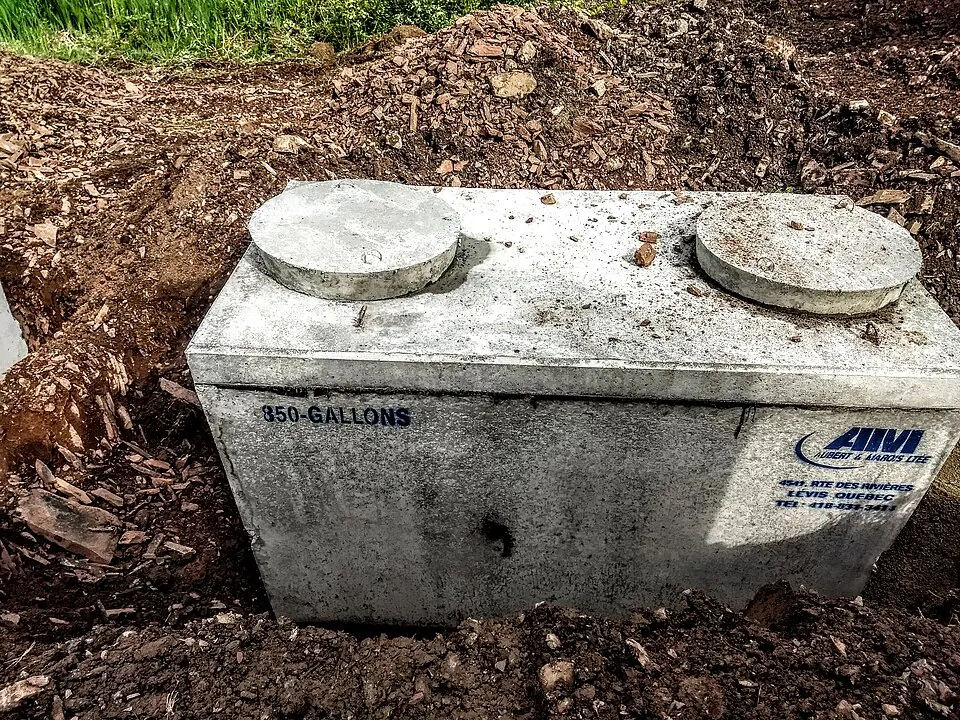
- Tank size, material and number of compartments
- Sludge and scum levels on the day of the visit
- Condition of the baffles, lids, risers and effluent filter
- Any pump, alarm or treatment unit, and whether it works
- How the drain field looks and behaves under a water load
- What we recommend, and how soon
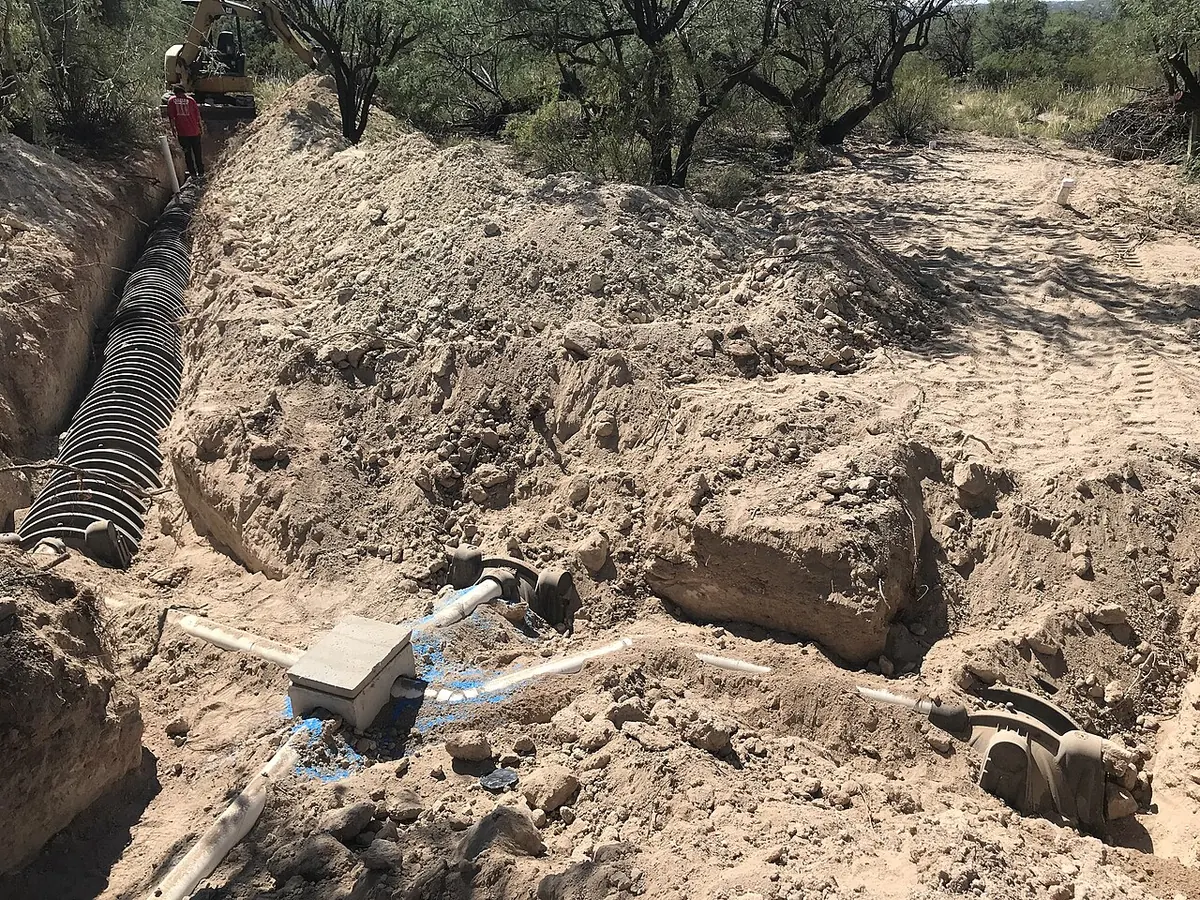
The drain field is the most expensive part of the system, and the one a quick look misses.
What affects the job
Every property is different, so we confirm the price with you on the call back, before any work starts. These are the things we’ll ask about.
Buried lids
Lids under turf or landscaping need digging out before the tank can be opened.
Pumping at the same visit
A tank pumped during the inspection can be checked inside, which takes longer.
Pump tanks and treatment units
Extra tanks, pumps, alarms and treatment units each need their own check.
Records on file
A permit drawing shows where to look. With no records, finding everything takes longer.
Size of the home
More bedrooms usually means a bigger system and more to look over.
Season and access
Snow, frozen ground and long distances from the driveway slow things down.
You get the price before anyone opens a lid.
A homeowner's guide to septic inspections
What gets checked, when you need one, and how to make sense of the report.
What a full septic inspection checks
A walk across the yard and a peek under one lid is not an inspection. A full inspection follows the wastewater from the house to the soil:
- The line from the house. We run water inside and watch it arrive at the tank, which shows whether the sewer line is flowing freely or backing up.
- The tank. We open every lid, measure the sludge and scum, and look for cracks, leaks, root intrusion and signs that the liquid level has been higher than it should be.
- Baffles and filter. The inlet and outlet baffles keep scum and solids in the tank. A missing or broken outlet baffle is one of the most common findings, and one of the most important.
- Pumps and alarms. If the system has a pump tank, we check that the pump runs, the floats switch it on and off, and the high-water alarm sounds.
- Distribution box and drain field. We look for an even split between lines, soggy or sunken ground, surfacing water, and strips of grass that are greener than the rest.
Anything we can't see or reach on the day, such as a lid buried under a patio, is noted in the report so you know exactly what was and wasn't checked.
Inspection or pump-out: which do you need?
They overlap, but they answer different questions.
A pump-out is maintenance. It empties the tank so solids don't escape into the drain field. The technician looks at the baffles while the tank is open, but the goal is an empty tank, not a report.
An inspection is a diagnosis. The goal is a written answer to "what condition is this system in?" That includes the drain field, which a pump-out doesn't test.
The two work well together. A tank is easiest to inspect once it has been pumped, because the walls, baffles and the bottom can be seen clearly. For a home sale we often do both on one visit: inspect the system as it is, pump the tank, then check the inside once it's empty. If the tank was pumped recently and you only need to know how the system is doing, an inspection on its own is usually enough. See septic pumping for what a pump-out includes.
Buying or selling a home with septic
Idaho's state septic rules don't require an inspection when a home changes hands, but buyers, lenders and agents often ask for one. Some lenders make it a condition of the loan or a refinance, so check with your health district and lender early in the process.
If you're buying, book the inspection inside your contingency period and leave room for a follow-up if something turns up. Ask the seller for the last pump-out date, the tank size and any permit records. If the home has an extended treatment unit, the permit's maintenance and monitoring requirements pass to you with the property, and the seller must tell you about them before the sale.
If you're selling, an inspection before you list puts you in control. You find any problems on your own schedule, decide whether to fix them, and can hand buyers a dated report instead of waiting for theirs. It also keeps a surprise from stalling a closing.
If you're an agent, tell us the closing date when you book, and we'll plan the visit and the report around it.
Reading your inspection report
A report is only useful if you know what it means. Ours is written in plain language, and every finding falls into one of three groups:
- Working as it should. The part is doing its job. Nothing to do but keep up with pumping.
- Needs maintenance or a minor repair. A tank due for pumping, a clogged effluent filter, a cracked lid or a missing riser. These are usually quick fixes, and we'll tell you what's involved.
- Needs a closer look or a major repair. Signs the drain field isn't absorbing water, a broken outlet baffle that has let solids escape, or a tank that's leaking. These are the findings that matter most in a sale, and we explain what the next step is and whether a health district permit is likely.
If anything in the report isn't clear, call us. We'd rather explain a finding twice than have you guess at it during a negotiation.
Inspecting an older septic system
Many Idaho homes, especially farmhouses, lake cabins and houses on the edges of towns that grew around them, have systems that are decades old. Age alone doesn't mean a system is failing, but older systems bring their own questions:
- Steel tanks rust from the top down, and lids can be thin enough to be unsafe to walk on.
- Small tanks sized for a smaller household may now be serving more bedrooms and more water use.
- No records. Systems installed long ago may have little or nothing on file, and a drain field may have been added to or moved over the years.
- Tree roots have had decades to find the pipes and the tank seams.
For an older system, we spend more time locating parts and tracing lines, and we tell you plainly what we found and what we couldn't confirm.
Finding your septic records
Before an inspection, it helps to know what was permitted on the property. Septic permits in Idaho are issued by the seven regional public health districts, and many of them keep records for existing systems.
- Central District Health (Ada, Boise, Elmore and Valley counties) has an online septic system search.
- South Central Public Health District (the Magic Valley) takes septic records requests.
- Other districts can tell you what they hold if you call their environmental health office.
A permit record often includes a site drawing showing where the tank and drain field were meant to go, the tank size and the year it was installed. Older homes may have no record at all, which is common and not a red flag by itself. Either way, tell us what you have when we call back. A drawing saves time finding lids, and it shows whether what's in the ground matches what was approved.
What we inspect, start to finish
An inspection follows the same five stops as your wastewater. Tap each part to see what we look at.
Signs this part needs attention
Septic inspections across Idaho
Inspections for home sales and homeowners from the Panhandle to the Magic Valley. Pick your area for local permit and soil notes.
Septic inspection questions
Can’t find yours? Call and ask. There’s no charge for a question.
Does Idaho require a septic inspection when you sell a home?
The state septic rules don't require one at sale, but buyers and lenders often ask for it, and some lenders make it a loan condition. Check with your lender and local health district early.
How long does a septic inspection take?
Most take a couple of hours on site. Buried lids, a pump tank, or a system with no records to go by can add time. We'll give you an idea on the call back.
Does the tank need to be pumped for an inspection?
Not always, but the inside of the tank can only be checked properly once it's empty. For a home sale, we usually recommend pumping as part of the visit.
How soon do I get the written report?
We go over the main findings with you on site, and the written report follows. If you're working to a closing date, tell us when you book so we can plan around it.
Who should be there during the inspection?
Nobody has to be, as long as we can reach the tank and run water in the house. Buyers often like to come along, and it's a good chance to learn where everything is.
Can an inspection find drain field problems?
Yes, as far as they can be seen. We look for soggy or sunken ground, surfacing water and uneven growth, and watch how the system handles water. Some problems need a closer look afterwards, and the report will say so.
What if the inspection finds a problem?
The report explains what we found and how urgent it is. We can quote the repair, and we'll tell you whether it's the kind of work that needs a health district permit.
Is a home inspection the same as a septic inspection?
Usually not. A general home inspector may note slow drains, but most don't open the tank or check the drain field. A septic inspection looks at the system itself.
Book a septic inspection
Send the details and we’ll call you back to confirm a price and a time. Prefer to talk? Call (208) 555-0100.
- Free to ask, no obligation
- A price before any work starts
- Backups and alarms handled first
Request a call back
Takes about a minute.
By submitting, you agree that Reliable Septic Systems and its local service partners may contact you by phone, text or email about your request. Message and data rates may apply; message frequency varies. Reply STOP to opt out. See our Privacy Policy and Terms.