Septic tank pumping in Idaho
A full pump-out of sludge and scum, a check of the tank’s baffles, and a straight answer on when you’ll need it done again.
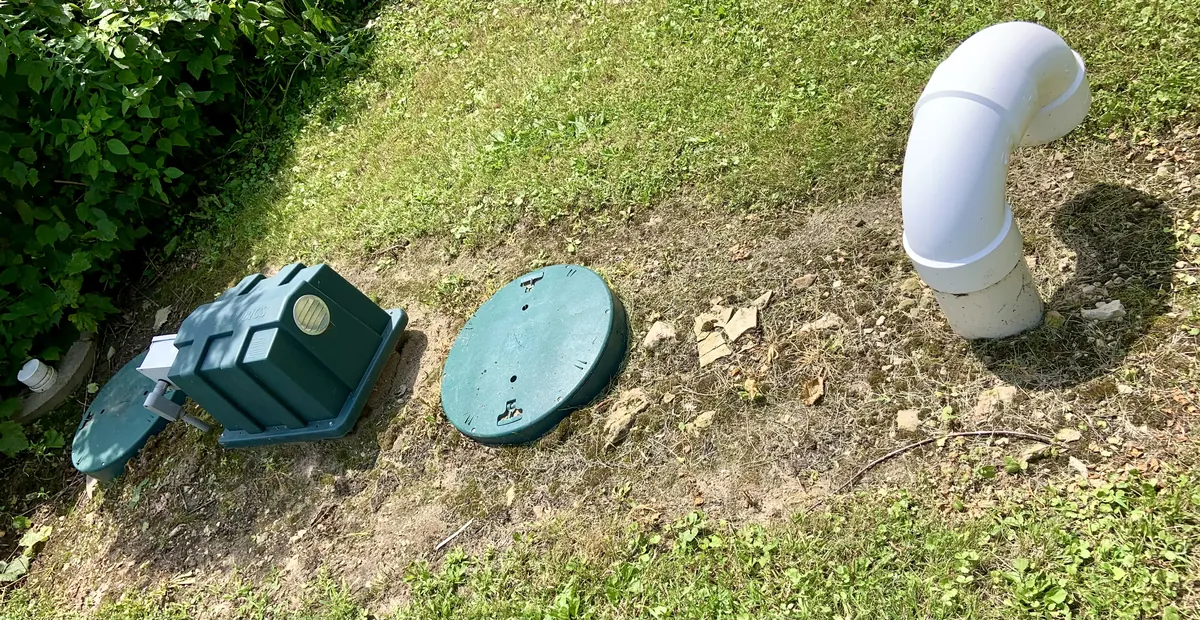
You probably need a pump-out if
- It's been 3 to 5 years, or you don't know when it was last done
- Drains are slow or the toilets gurgle
- You're buying or selling the home
- There's a smell near the tank lids
Not sure? Describe what you're seeing and we'll tell you on the call back.
What happens on a pump-out
Most visits take about an hour. Here’s what the technician does, in order.
- 1
Find and open the tank
Locate the tank and uncover the lids or risers, with as little digging as possible.
- 2
Pump it out completely
Remove all of the sludge and floating scum, not just the liquid in the middle.
- 3
Check the working parts
Look over the inlet and outlet baffles, the effluent filter, and for cracks, roots or backflow from the drain field.
- 4
Tell you what's next
Note the tank size and condition, and when the next pump-out is due. Keep that note for the next visit or a home sale.
Why pumping matters
Every septic tank collects solids that bacteria can’t break down fast enough. Over a few years, that layer of sludge fills the bottom of the tank while grease and scum build up on top.
If the tank is never pumped, the solids start flowing out with the liquid and settle in the drain field. The gravel and soil clog, water stops soaking in, and the result is soggy ground, smells and backups. A clogged drain field usually can’t be cleaned. It has to be replaced, and that is the biggest septic bill a homeowner can face.
How often should you pump?
A rough guide by tank size and the number of people in the house:
| Tank size | 2 people | 4 people | 6 people |
|---|---|---|---|
| 1,000 gal | every 5–6 yrs | every 2–3 yrs | every 1–2 yrs |
| 1,250 gal | every 7 yrs | every 3 yrs | every 2 yrs |
| 1,500 gal | every 9 yrs | every 4 yrs | every 2–3 yrs |
Pump sooner with a garbage disposal, a water softener that drains to the tank, or a home business that adds a lot of water.
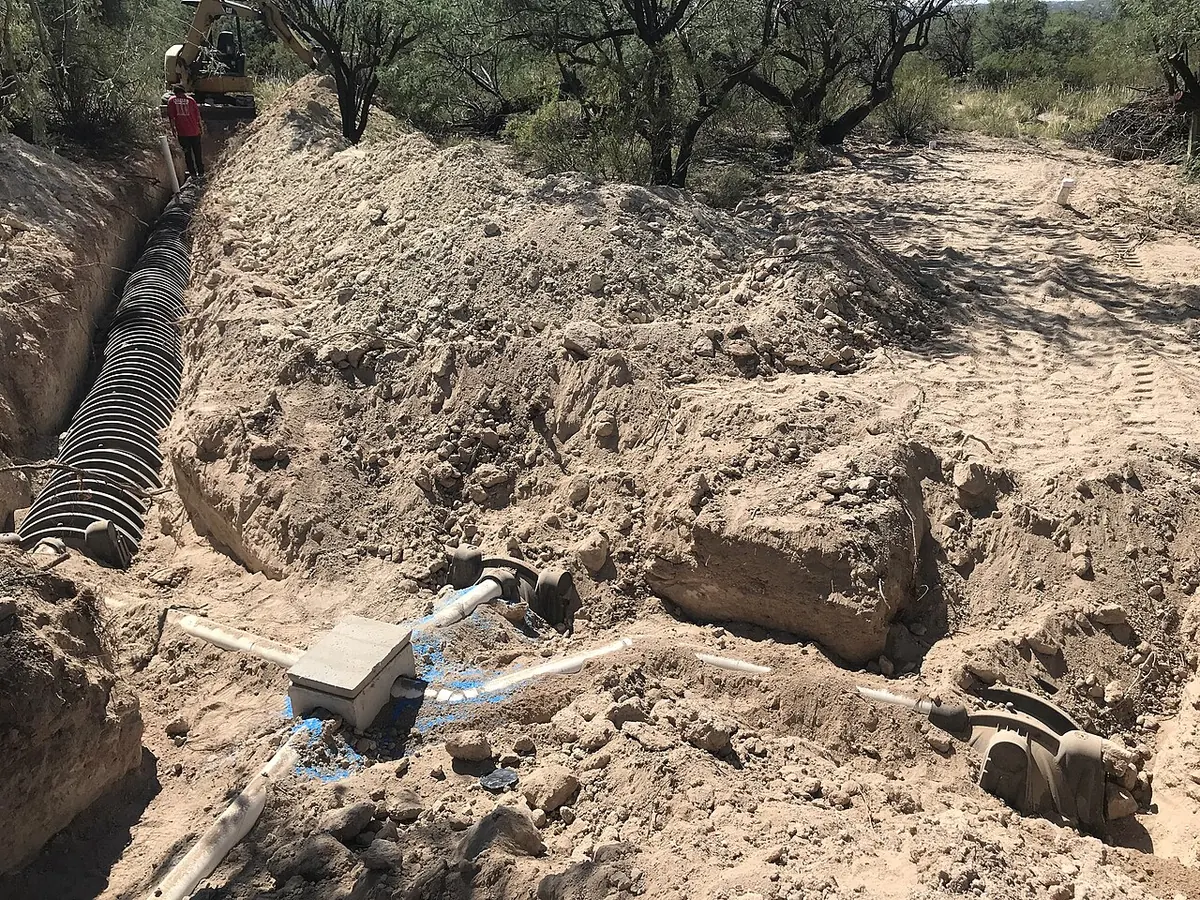
A pump-out every few years is the cheapest insurance a septic system has.
What affects the job
Every property is different, so we confirm the price with you on the call back, before any work starts. These are the things we’ll ask about.
Tank size
Bigger tanks take longer to pump and more to haul away.
Buried lids
Lids a foot or more underground need digging out. Risers save that every visit after.
Distance to the truck
Long hose runs, steep driveways and fenced yards add time.
Winter
Snow and frozen ground make lids harder to reach. Fall is the easiest time to book.
Extra tanks
A two-compartment tank or a separate pump tank may need both pumped.
Records
The permit drawing or last pump-out note helps the technician find everything fast.
You get the price before anyone starts pumping.
A homeowner's guide to septic pumping
What to look for, how to get ready, and how to make the time between pump-outs as long as possible.
Signs your septic tank is full
A full tank rarely announces itself all at once. The early signs are small and easy to blame on something else:
- Slow drains everywhere, not just one sink. One slow drain is usually a clog. Several at once point to the tank.
- Gurgling in toilets or drains after you run water, as air is pushed back through a system with nowhere to go.
- A sewage smell near the tank lids, the drain field or inside the house, especially on warm days.
- Lush, bright green grass over the tank or drain field when the rest of the lawn is dry.
- Water pooling or soft ground over the drain field.
- Sewage in the lowest drain, usually a basement floor drain or a ground-floor shower. Stop using water and call straight away.
If you notice two or more of these, book a pump-out soon. The longer a full tank keeps running, the more solids it sends into the drain field.
How to get ready for a pump-out
A little preparation makes the visit faster and keeps the cost down:
- Find the tank if you can. Check your home records, the original permit drawing from your health district, or look for a lid, a riser or a cleanout pipe in the yard. If you don't know, tell us when we call back. The technician can trace the line from the house.
- Clear the way. Move vehicles, trailers and anything stored over the tank. Unlock gates and tie up dogs.
- Tell us about access. A steep driveway, a long distance from where the truck can park, or a soft lawn in spring all change how the job is planned.
- Go easy on water the day of the visit. You don't need to stop completely, but skip the laundry until the technician has finished.
Most pump-outs take about an hour from arrival. Buried lids, a second compartment or a separate pump tank add time.
Pumping, cleaning and inspection: what's the difference?
The words get mixed up, so here's what each one means.
Pumping removes the liquid, the floating scum and the settled sludge from the tank with a vacuum truck. It is the routine maintenance every system needs.
Cleaning goes a step further: the technician breaks up the hard sludge layer and rinses the walls so the tank is emptied completely, and cleans the effluent filter if there is one. A good pump-out includes this.
An inspection is a full check of the whole system: the tank, the baffles, the pipes, the distribution box and the drain field, with a written report. You need one when buying or selling a home, or when something isn't working and you want to know why. See septic inspections.
Pumping before you buy or sell a home
Idaho has no statewide rule that a septic tank must be pumped or inspected before a sale, but most buyers, lenders and agents will ask for it. A tank that hasn't been pumped in years is one of the most common surprises after closing.
If you're selling, a pump-out before listing gives you a dated record and lets the inspector see the inside of the tank. If you're buying, ask the seller for the date of the last pump-out and the tank size, and book an inspection before your contingency period ends.
Pumping and an inspection are often booked on the same visit, because the tank has to be opened for both.
Pumping through the Idaho seasons
Fall is the best time to pump. The ground is dry and firm, lids are easy to reach, and the system goes into winter with plenty of room.
Winter pump-outs are possible as long as the lids can be reached. Snow cover and frozen ground make digging slower, so mark where your lids are before the first snow. Don't plow or pile snow onto the drain field, and keep vehicles off it.
Spring snowmelt saturates the ground, and a drain field that is already struggling often shows it first in March and April. A pump-out gives a tired system some room, but if the yard stays soggy, ask for a drain field check.
Summer is busy, especially for cabins and homes that fill up with guests. A tank due for pumping is worth emptying before a full house arrives.
Looking after your system between pump-outs
How you use water and what goes down the drain decide how long your tank lasts between pump-outs.
- Only flush toilet paper. Wipes, even ones labeled flushable, paper towels, sanitary products and dental floss don't break down in a tank.
- Keep grease out of the sink. It hardens into the scum layer and can block the outlet.
- Spread out the laundry. A few loads through the week is far easier on a drain field than six loads on a Saturday.
- Fix leaks. A running toilet can send hundreds of gallons a day through the system.
- Go easy on the garbage disposal, or pump more often if you use it a lot.
- Keep roots and traffic away. Don't plant trees near the tank or drain field, and never drive or park on them.
Keep a note of every pump-out: the date, the tank size and anything the technician found. It's the single most useful record a septic owner can have.
What happens inside your tank
The tank is step two of five. Tap each part to see how the whole system works.
Signs this part needs attention
Septic pumping across Idaho
Pump-outs from the Panhandle to the Magic Valley. Pick your area for local permit and soil notes.
Septic pumping questions
Can’t find yours? Call and ask. There’s no charge for a question.
How do I know when my septic tank needs pumping?
The only sure way is to measure the sludge and scum layers, which the technician does at every visit. Without that, go by the table above, or by the date of the last pump-out on your home records. Slow drains and gurgling usually mean it's overdue.
Do I need to be home for septic pumping?
Not always. If the technician can reach the tank and you've told us where it is, many pump-outs can be done while you're out. We'll go over the details when we call you back.
Can a septic tank be pumped in winter in Idaho?
Yes, if the lids can be reached. Snow and frozen ground make digging slower. If your lids are buried, risers make winter service much easier.
Should I add bacteria or additives instead of pumping?
No. Additives don't remove the solids that build up in the tank, and some can push sludge into the drain field. Regular pumping is what keeps the system working.
How long does a septic pump-out take?
About an hour for most homes, from the truck arriving to the lids going back on. Buried lids, a two-compartment tank or a long hose run add time.
Where does the waste go after pumping?
The truck takes it to a permitted disposal or treatment site. It is never spread or dumped on your property.
Will the truck damage my lawn?
The truck stays on the driveway or the firmest ground available and the hose runs to the tank. If the lids are buried, the digging is kept small and the turf is put back afterwards.
Does pumping fix a drain field problem?
It can give short-term relief, but if the drain field is already clogged, water will back up again soon after. If that happens, ask for a drain field check.
Book a septic pump-out
Send the details and we’ll call you back to confirm a price and a time. Prefer to talk? Call (208) 555-0100.
- Free to ask, no obligation
- A price before any work starts
- Backups and alarms handled first
Request a call back
Takes about a minute.
By submitting, you agree that Reliable Septic Systems and its local service partners may contact you by phone, text or email about your request. Message and data rates may apply; message frequency varies. Reply STOP to opt out. See our Privacy Policy and Terms.